
This product is usually dispatched within 10-14 days
- Delivery and returns info
-
Free UK delivery on orders £30 or over
Description
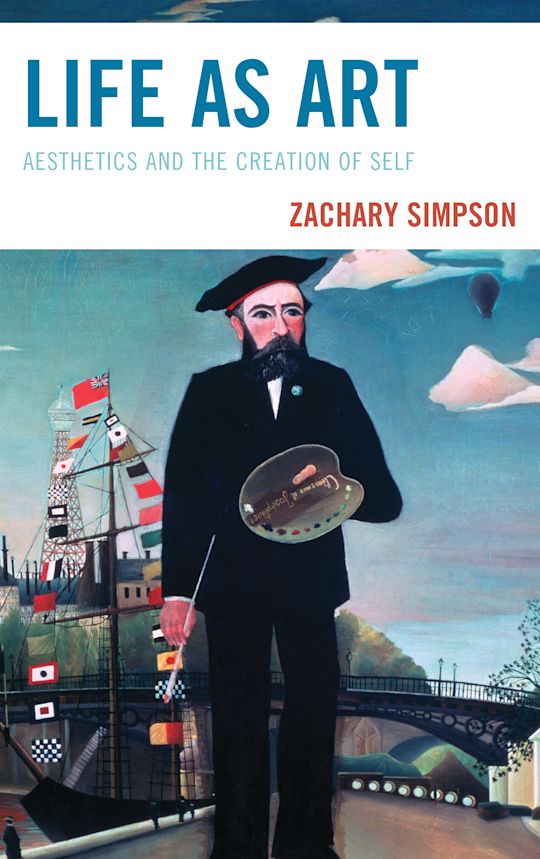
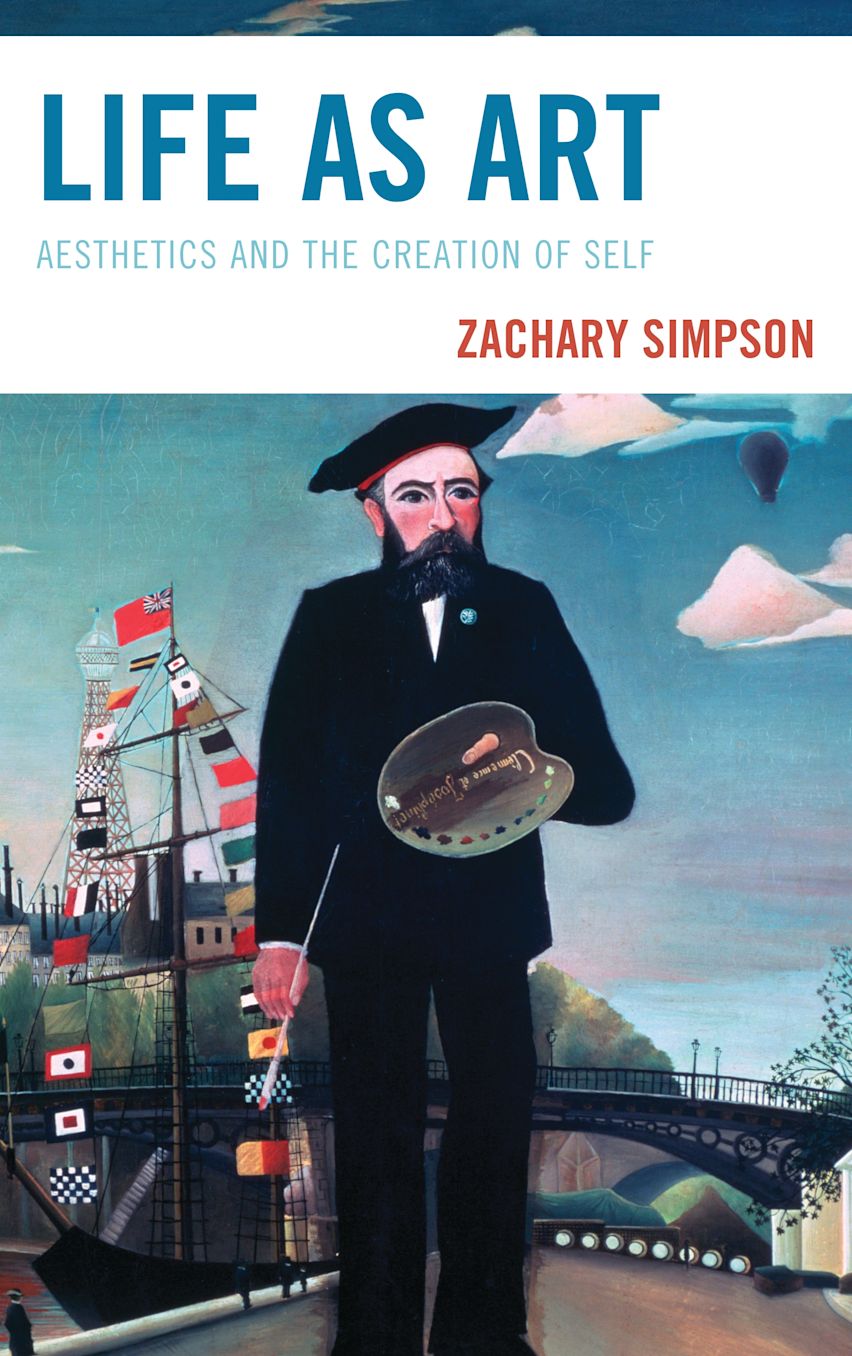
Life as Art brings the resources of contemporary aesthetics since Nietzsche to bear on the problems of how one integrates the aesthetic emphases of meaning, liberation, and creativity into one’s daily life. By linking together the aesthetic and ethical accounts of critical theorists, phenomenologists, and existentialists into a coherent view on the artful life, Life as Art shows the ways in which much of contemporary Continental theory has been concerned with alternative ways of constructing one’s own life. Seen as a unified phenomenon, life as art signifies an active attempt to create a life which bears the resistance, openness, and creativity found in artworks.
Table of Contents
Chapter 1: The Path Ahead
Chapter 2: Dandyism and Life is Art
Chapter 3: Nietzsche’s Ideal Types
Part II: Resistant
Chapter 4: Theodor Adorno on Negative Thinking and Utopia
Chapter 5: Herbert Marcuse and the Artful Individual
Part III: Affirmation
Chapter 6: Martin Heidegger and Poetic Thinking
Chapter 7: Merleau-Ponty and Marion on the Thought of Being
Part IV: Creation
Chapter 8: Albert Camus on the Life Artist
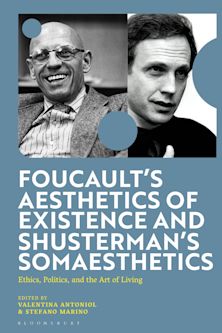
Chapter 9: Foucault’s Aesthetics of Existence
Chapter 10: Conclusion: Life as Art
Product details
| Published | 19 Feb 2026 |
|---|---|
| Format | Paperback |
| Edition | 1st |
| Pages | 310 |
| ISBN | 9798216394440 |
| Imprint | Lexington Books |
| Dimensions | 229 x 152 mm |
| Publisher | Bloomsbury Publishing |
Reviews
Related Titles