
Buying pre-order items
Ebooks and Audiobook
You will receive an email with a download link for the ebook or audiobook on the publication date.
Payment
You will not be charged for pre-ordered books until they are available to be shipped. Pre-ordered ebooks will not be charged for until they are available for download.
Amending or cancelling your order
For orders that have not been shipped you can usually make changes to pre-orders up to 72 hours before the publishing date.
Payment for this pre-order will be taken when the item becomes available
- Delivery and returns info
-
Free UK delivery on orders £30 or over
Description
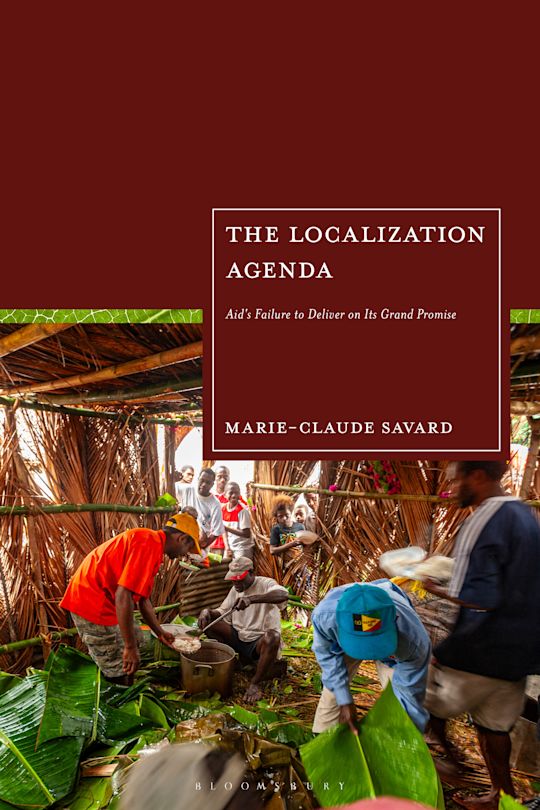
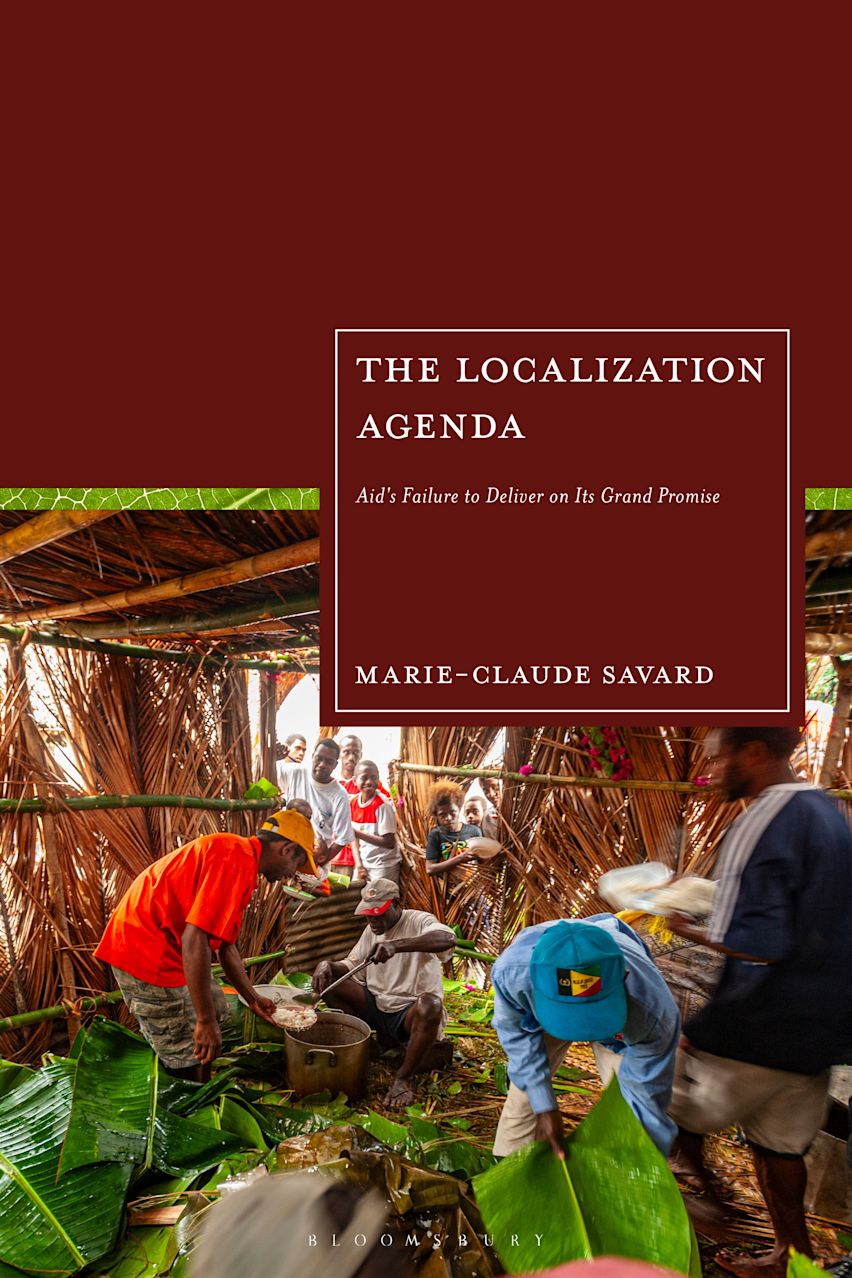
This book tells the story of the humanitarian industry's latest failed attempt at reform, identifies the key contradiction at the heart of it, and suggests ways to do things better.
In 2016, the United Nations, international organizations and heads of state launched the Grand Bargain - “A Shared Commitment to Better Serve People in Need” - thereby announcing a systemwide reform. Key among the commitments was localization: placing local organizations at the centre of emergency responses. However, today, very little has changed, with most attributing the lack of progress to technical issues, such as donor requirements, contracting mechanisms, and local responders' capacities.
However, this book argues that a paradox within the localization agenda is to blame. Drawing from in-depth research with diverse aid organizations, however, Marie-Claude Savard argues that the real problem is that the humanitarian industry is a territory upon which knowledge – the currency of technocratic regimes – is produced and guarded by power-wielding gatekeepers, who determine what constitutes a legitimate emergency responder. Those gatekeepers mandate international NGOs and standard-setting organizations to shepherd nonconforming local organizations towards their standards. This process only reaffirms enduring North-South hierarchies. Ultimately, the reformative potential of the localization agenda is thwarted by its own, internal contradictions-but there are ways of doing things differently by aiming for a true polycentrism that could lead to more sustainable, enduring change.
Table of Contents
1. Localization: Failure to Launch?
2. Emergency Assistance and the Rise of Technocratic Thinking
3. The Localization Agenda: What We Know, What We Don't Know
4. The Gatekeepers
5. The Shepherds
6. The Case of Amani
7. Running to Stand Still – The Humanitarian System's Self-preservation Mechanisms
8. Towards a Polycentric Ideal of Aid
References
Product details

| Published | 25 Jun 2026 |
|---|---|
| Format | Hardback |
| Edition | 1st |
| Pages | 240 |
| ISBN | 9781350579040 |
| Imprint | Bloomsbury Academic |
| Illustrations | 10 bw illus |
| Dimensions | 234 x 156 mm |
| Publisher | Bloomsbury Publishing |
Reviews

ONLINE RESOURCES
Bloomsbury Collections
This book is available on Bloomsbury Collections where your library has access.
Related Titles