Maximus and the Trinity
Christian Life and Doctrine
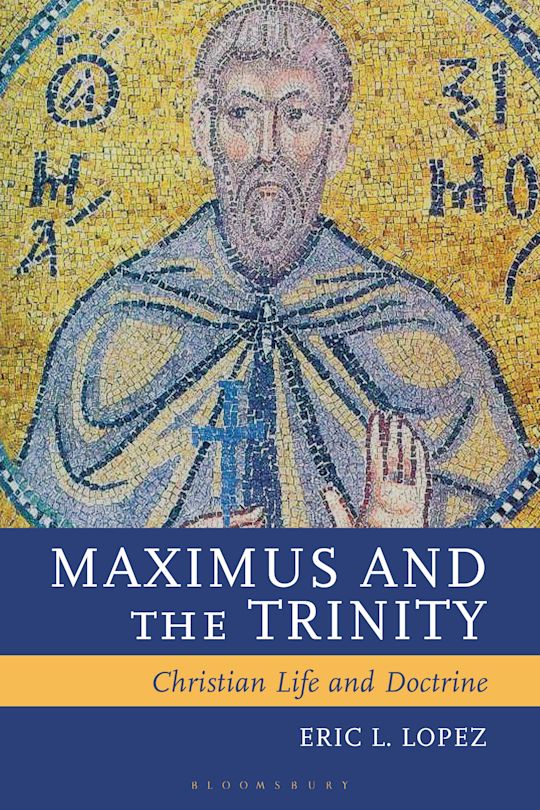

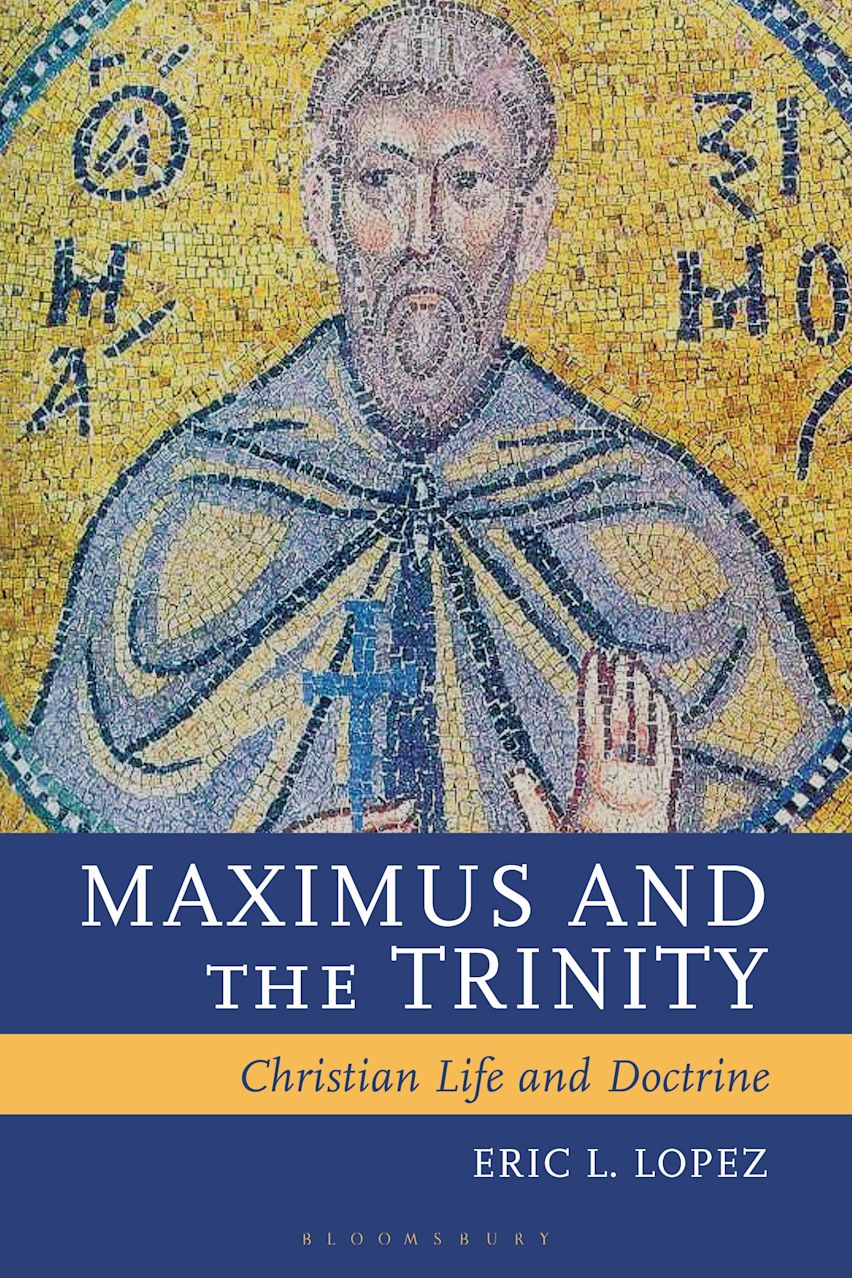
Maximus and the Trinity
Christian Life and Doctrine
Quantity
In stock
£61.20
RRP £76.50
Website price saving £15.30 (20%)
Description
This book explores Maximus's Trinitarian theology, starting with his early works and then moving through the various stages of his writing to analyze how his theology developed in its Late Antique context. While Maximus's Trinitarian theology is inextricably linked with his Christology, this book offers a more nuanced account of their relationship and demonstrates how a broad set of traditions, concerns, and controversies gave a Trinitarian shape to his vision of Christian life and doctrine.
Table of Contents
Introduction
Chapter 1
Chapter 2
Chapter 3
Chapter 4
Chapter 5
Chapter 6
Chapter 7
Chapter 8
Chapter 9
Conclusion
Appendix
Bibliography
Chapter 1
Chapter 2
Chapter 3
Chapter 4
Chapter 5
Chapter 6
Chapter 7
Chapter 8
Chapter 9
Conclusion
Appendix
Bibliography
Product details
| Published | 19 Feb 2026 |
|---|---|
| Format | Ebook (PDF) |
| Edition | 1st |
| Pages | 304 |
| ISBN | 9798216258155 |
| Imprint | Fortress Academic |
| Publisher | Bloomsbury Publishing |
Reviews

ONLINE RESOURCES
Bloomsbury Collections
This book is available on Bloomsbury Collections where your library has access.
Related Titles