The Orphan Paradox
Destinies, Autocracies and Democracies in India and the United States

The Orphan Paradox
Destinies, Autocracies and Democracies in India and the United States
Payment for this pre-order will be taken when the item becomes available
- Delivery and returns info
-
Free UK delivery on orders £30 or over
Description
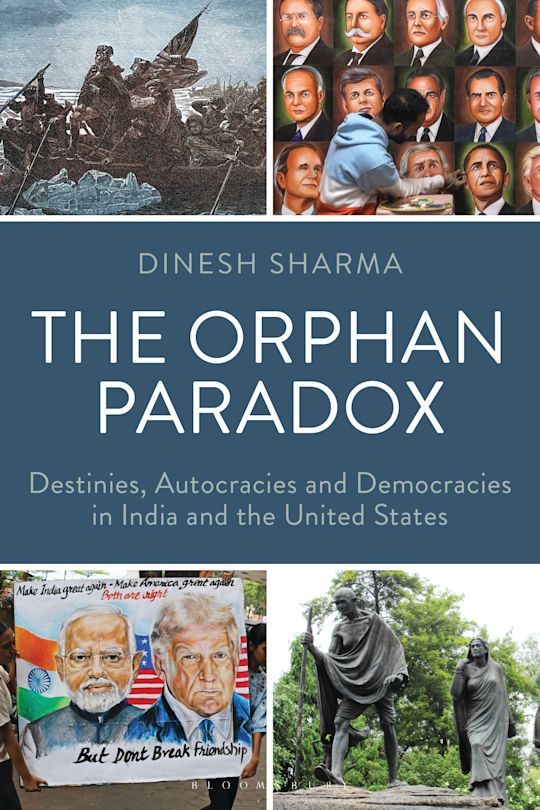
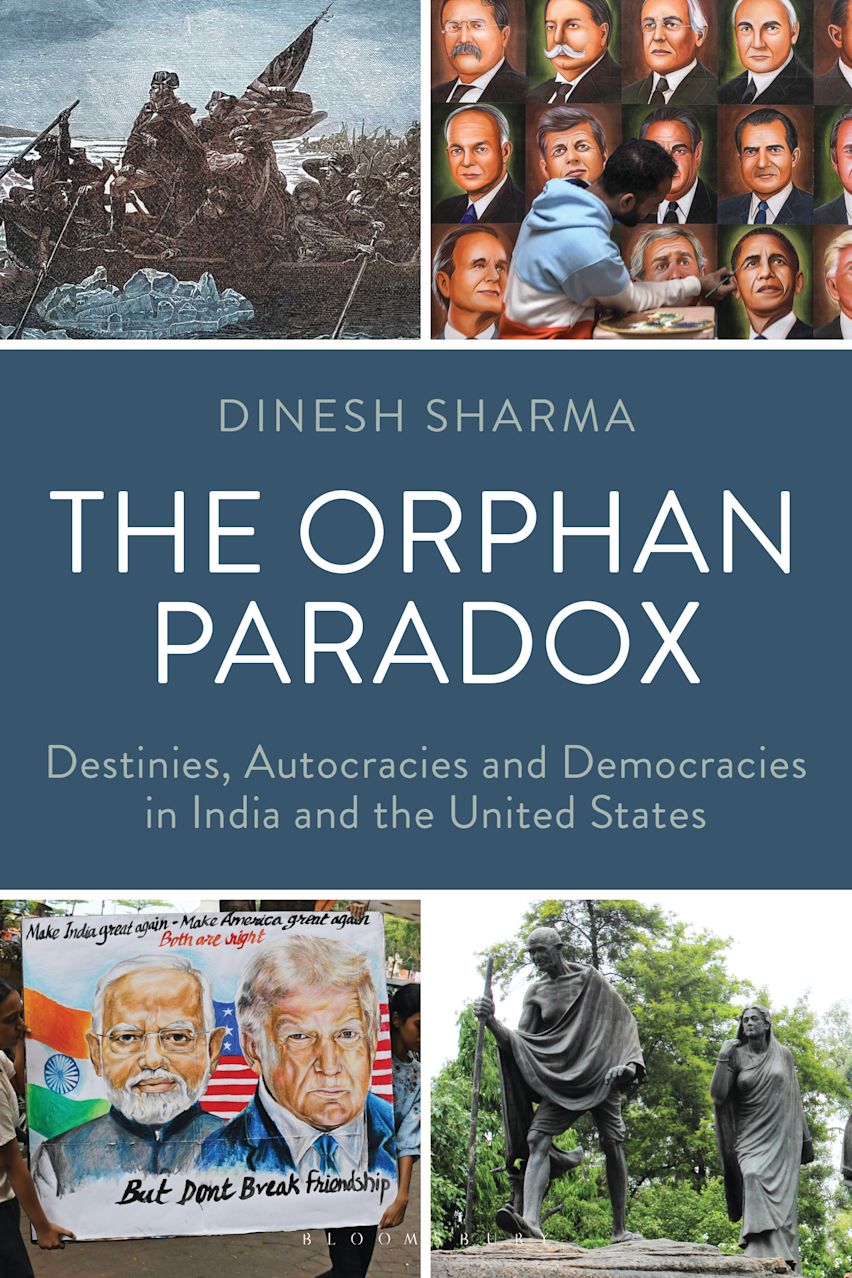
Dinesh Sharma provides a psycho-historical analysis of Indian democratic leaders and US democratic leaders to untangle how Western, educated, industrialized, rich, democratic data assumptions apply not only to psychological sciences but to most of the Western social sciences as well. As democratic institutions around the world come under threat, it is useful to compare the founders of the oldest constitutional democracy, the United States, with the largest populace democracy, India, to examine what the future of democratic societies may hold. Sharma compares the founding fathers of America, George Washington, Thomas Jefferson, and James Madison with their Indian counterparts, namely Mahatma Gandhi, Pandit Jawaharlal Nehru, and B. R. Ambedkar. While the struggle to build democratic institutions is a constant theme in the lives and works of these men over the eighteenth and nineteenth centuries, the cultural and historical contexts of their life narratives offer a critique not only of democracy, but how to better understand leadership across cultures and histories in an increasingly globalized and interconnected world.
Table of Contents
Preface
Introduction: The Founders
1. From the General to the Mahatma
2. From the Man of Enlightenment to Non-Alignment
3. From the Constitutional Convention to the Buddha
Conclusion: Will Liberal Democracies Survive
Epilogue
Index
Product details

| Published | 20 Aug 2026 |
|---|---|
| Format | Hardback |
| Edition | 1st |
| Extent | 256 |
| ISBN | 9781666976793 |
| Imprint | Bloomsbury Academic |
| Illustrations | 10 b/w photos |
| Dimensions | 229 x 152 mm |
| Publisher | Bloomsbury Publishing |
Reviews
Related Titles