

Quantity
In stock
£21.59
This title is available for inspection copy requests
Description
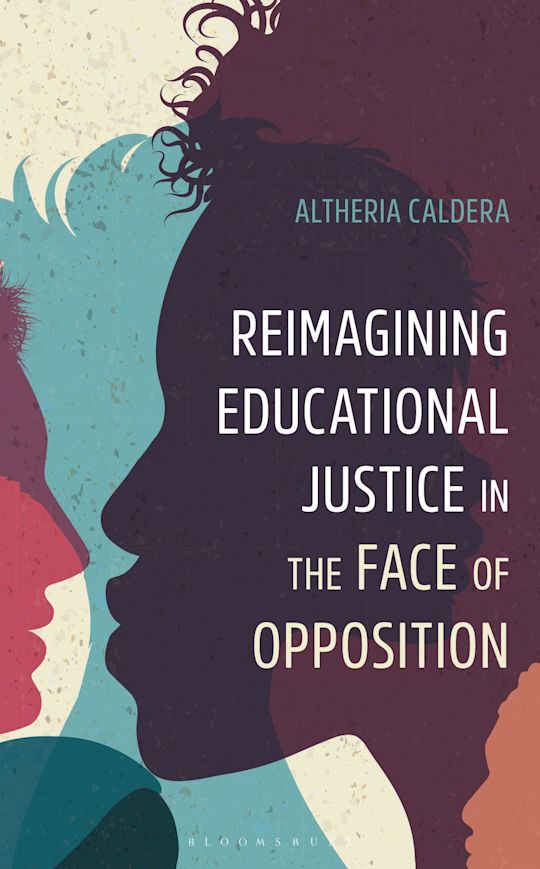
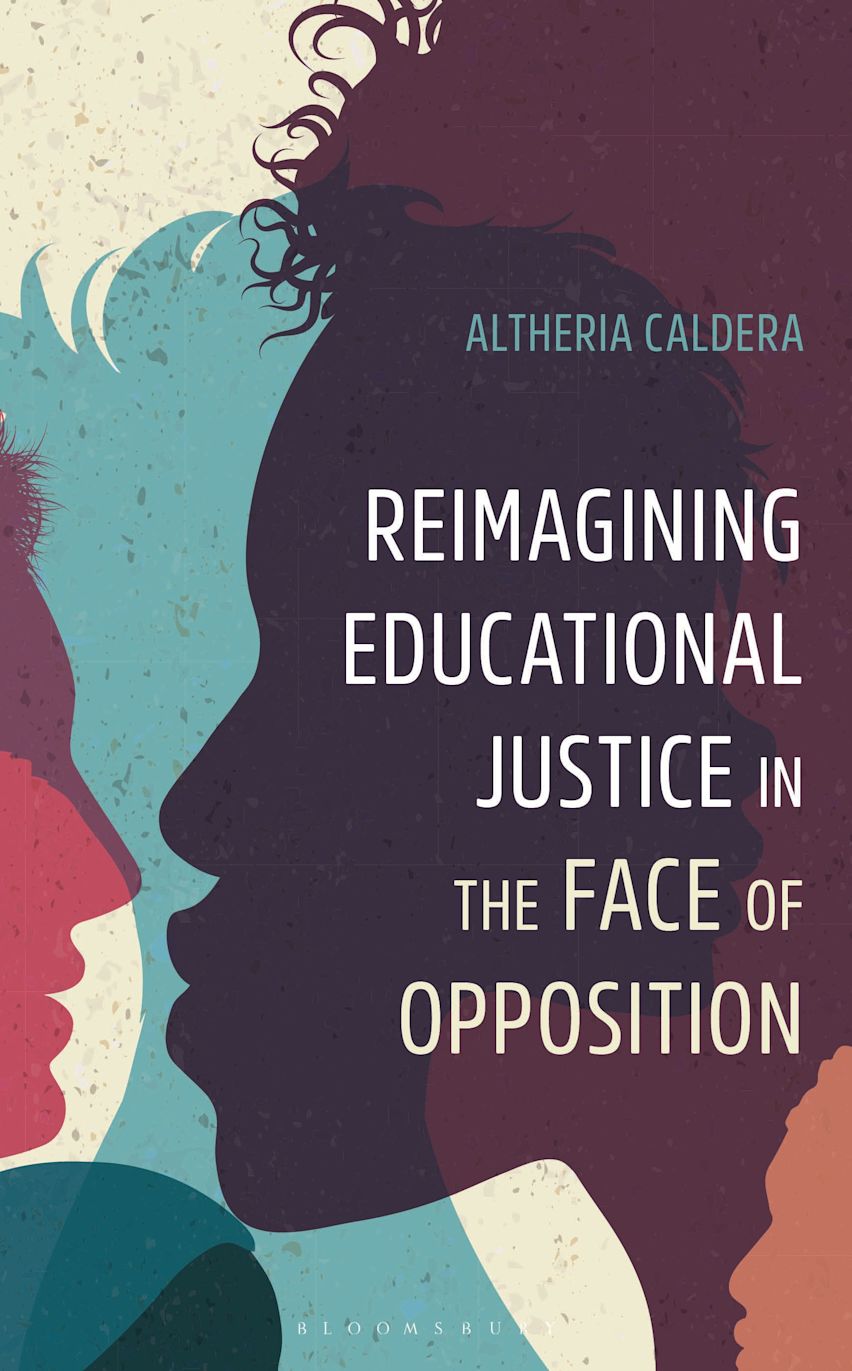
This book invites readers to reimagine a movement for educational justice, one in which justice workers recognize imperialist white supremacist capitalist cis-hetero patriarchy as the broad, interlocking system of domination that continues to oppress historically marginalized students, whose rights are presently being vehemently opposed by those who fear an egalitarian society that no longer privileges whiteness. This work also examines bans on “wokeness,” illustrating the regressive and assaultive nature of current attacks. Important, too, it offers guidance for those seeking direction about how to advance educational justice for all students whose rights are being threatened.
Table of Contents
List of Figures
List of Tables
Preface: How I Came to Care for and Cultivate Trees
Foreword by Alexandra Babino
Acknowledgments
Introduction
Part I: Centuries in the Making: Planting Trees in Poisoned Soil
Chapter 1: Soiled, A Society Rooted in White Supremacy
Chapter 2: Planting Trees: The Resistance to White Supremacy
Chapter 3: Bearing Fruit: The Evolution of Schooling for Students of Color
Part II. The Blighting of the Fruit
Chapter 4: Leading up to the Blighting
Chapter 6: Blighting the Fruit: Attacks Against Minoritized Students
Chapter 7: Harmful Lies
Part III: Healing the Trees
Chapter 8: Healing the Trees Through (Critical) Introspection
Chapter 10: Healing the Trees Through Inclusivity & Intersectionality
Chapter 11: Healing the Trees Through Insurgency
Chapter 12: Healing the Trees Through (Radical) Imagination
Conclusion: Make a Career of Humanity
References
Index
Author Biography
List of Tables
Preface: How I Came to Care for and Cultivate Trees
Foreword by Alexandra Babino
Acknowledgments
Introduction
Part I: Centuries in the Making: Planting Trees in Poisoned Soil
Chapter 1: Soiled, A Society Rooted in White Supremacy
Chapter 2: Planting Trees: The Resistance to White Supremacy
Chapter 3: Bearing Fruit: The Evolution of Schooling for Students of Color
Part II. The Blighting of the Fruit
Chapter 4: Leading up to the Blighting
Chapter 6: Blighting the Fruit: Attacks Against Minoritized Students
Chapter 7: Harmful Lies
Part III: Healing the Trees
Chapter 8: Healing the Trees Through (Critical) Introspection
Chapter 10: Healing the Trees Through Inclusivity & Intersectionality
Chapter 11: Healing the Trees Through Insurgency
Chapter 12: Healing the Trees Through (Radical) Imagination
Conclusion: Make a Career of Humanity
References
Index
Author Biography
Product details

| Published | 05 Feb 2026 |
|---|---|
| Format | Ebook (PDF) |
| Edition | 1st |
| Pages | 264 |
| ISBN | 9798216381044 |
| Imprint | Bloomsbury Academic |
| Illustrations | 3 B/W figures, 19 textboxes |
| Publisher | Bloomsbury Publishing |

Reviews
Related Titles














£117.00
RRP £130.00




£117.00
RRP £130.00