
Payment for this pre-order will be taken when the item becomes available
- Delivery and returns info
-
Free UK delivery on orders £30 or over
Description
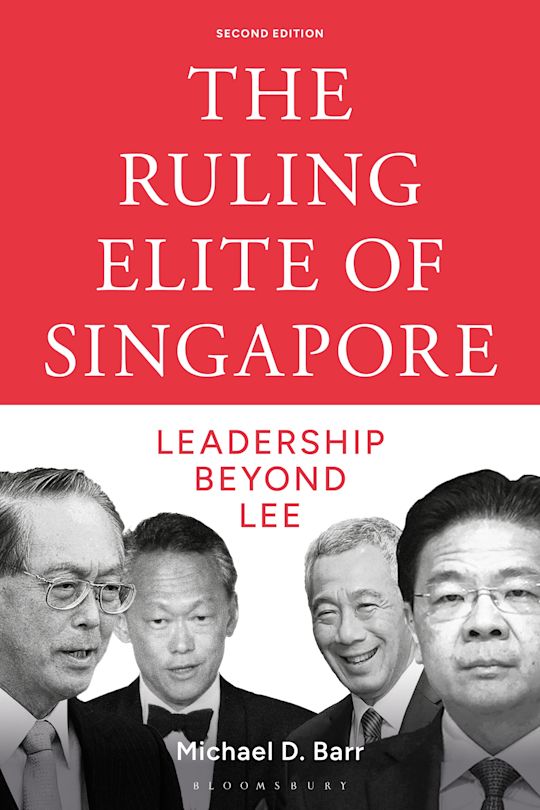
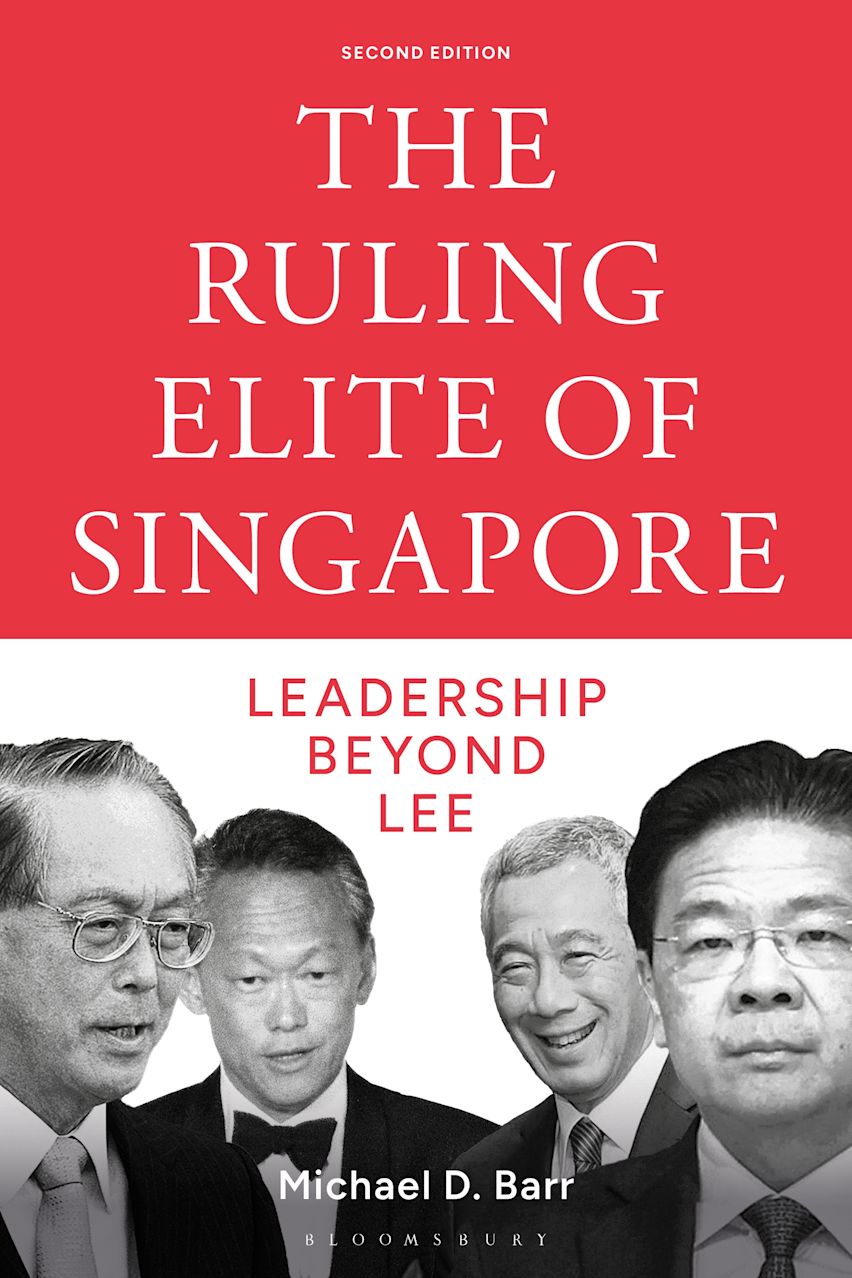
Michael Barr explores the complex and covert networks of power at work in one of the world's most prosperous countries, the city-state of Singapore. Charting the creation of a national elite in the 1950s and its consolidation as the ruling elite in the 1960s, it argues that the contemporary networks of power are a deliberate project initiated and managed by Lee Kuan Yew- former prime minister and Singapore's 'founding father'.
This updated and revised edition extends the narrative to consider recent developments and shifts in power since the death of Lee Kuan Yew in 2015. From the Lee-family feud to Lee Hsien Loong's prime ministerial succession and the inexorable rise of K. Shanmugam, this book considers what this means for the future direction, character and power structure of Singapore's ruling elite, and what the future might hold for this flourishing and affluent nation.
Table of Contents
Acknowledgements
Forward by Garry Rodan
List of Tables
List of Figures
List of Pictures
List of abbreviations
1. History, politics and theory
2. The creation and entrenchment of a national elite
3. Pathways narrow: Lee Kuan Yew emerges supreme
4. The capitalist-technocratic settlement
5. The elite that Lee built
6. Tweaking the elite that Lee built
7. Cabinet in the twenty-first century: Lee Hsien Loong's legacy
8. Technocracy without a Lee: Ruling elite or ruling class?
Final thought
Bibliography
Index
Product details

| Published | 12 Nov 2026 |
|---|---|
| Format | Paperback |
| Edition | 2nd |
| Pages | 256 |
| ISBN | 9781350505445 |
| Imprint | Bloomsbury Academic |
| Dimensions | 234 x 156 mm |
| Publisher | Bloomsbury Publishing |
Reviews
Related Titles