Social Isolation and the Loneliness Epidemic
Examining the Facts
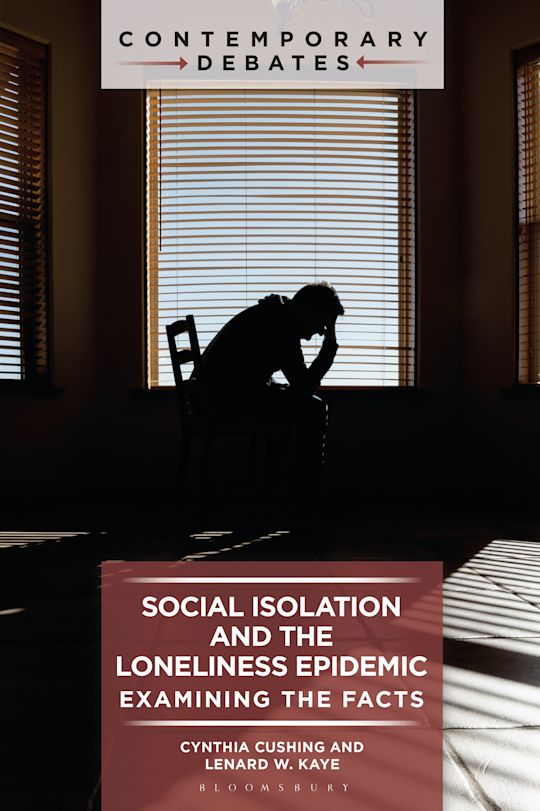

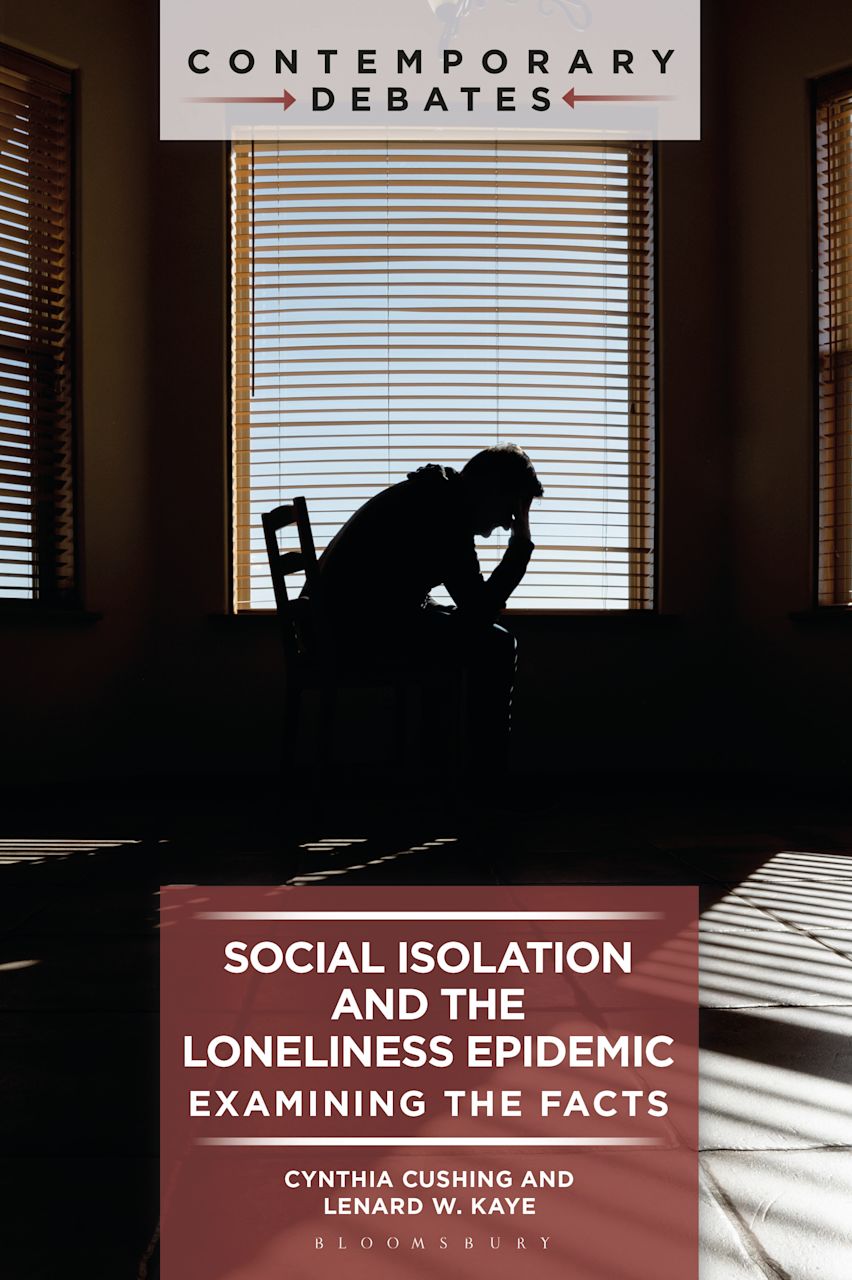
Social Isolation and the Loneliness Epidemic
Examining the Facts
Payment for this pre-order will be taken when the item becomes available
- Delivery and returns info
-
Free UK delivery on orders £30 or over
Description
Do correlations exist between feelings of social isolation and loneliness and other health issues such as depression, anxiety, and heart disease? How do feelings of social isolation vary across different races, ethnicities, and socioeconomic groups? What differences can be seen in how men and women (and boys and girls) experience and respond to social isolation? What positive and negative impacts has the online world had on loneliness and social isolation across America? What types of programs and reforms are most effective in reducing feelings of social isolation and loneliness for people at different life stages? This book provides answers to all these questions and many more.
Table of Contents
Preface
1. The Nature of Being Alone: Social Isolation, Loneliness, and Solitude
Q1. Are loneliness and social isolation modern phenomena, and in what ways do they differ from each other and from solitude?
Q2. Is the notion of individualism responsible for encouraging loneliness and social isolation?
Q3. Is loneliness an individual or societal problem?
Q4. Is solitude good for well-being?
2. Social Isolation and Loneliness: A Lifespan Perspective
Q5. Do specific individual experiences as children exacerbate feelings of social isolation and loneliness during key life transitions?
Q6. Are psychological mechanisms (attachment style, social anxiety, self-perception, fear of rejection) unchangeable contributors to the experiences of social isolation and loneliness?
Q7. Are social isolation and loneliness correlated with physical and mental health stressors such as depression, anxiety, heart disease, and weakened immunity at different stages of life?
Q8. Can social isolation and loneliness be as damaging to your health as smoking or obesity?
Q9. Does loneliness translate into physical pain?
Q10. Is there a direct link between loneliness and specific physical illnesses?
Q11. Do resilience and protective factors around social isolation and loneliness differ across the lifespan?
Q12. Has the risk of social isolation and loneliness reached public health crisis levels?
3. The Culture of Loneliness
Q13. Do cultural norms and values influence our understanding and experience of social isolation and loneliness?
Q14. Do societal expectations of gender, including traditional gender roles, affect how men, women, and LGBTQ+ individuals experience, cope with, and seek help for social isolation and loneliness?
Q15. Do race, socioeconomic status, and disability intersect to influence feelings of loneliness and social isolation?
Q16. Are the structural barriers of rurality (e.g., transportation, access to services, internet connectivity) more significant drivers of social isolation than cultural factors (e.g., community norms, social networks)?
Q17. Is substance use and homelessness a by-product of social isolation and loneliness?
4. Wired and Isolated
Q18. How has the digital revolution reshaped our understanding and experience of social connection, and does increased access to digital tools necessarily foster stronger relationships?
Q19. Does remote work reduce the risk of becoming socially isolated and/or lonely?
Q20. Is social media to blame for rising rates of loneliness and social isolation?
5. Finding Our Way Back: Programmatic Strategies for Combatting Social Isolation and Loneliness
Q21. Are individual and group, clinical-level, therapeutic interventions successful in addressing social isolation and loneliness?
Q22. Are community-based programs effective strategies for reducing social isolation and loneliness?
Q23. Can exposure to the natural environment positively influence feelings of loneliness and the risk of social isolation?
Q24. Is engagement in physical activity and exercise an important factor not only for maintaining overall health but reducing the risk of loneliness and social isolation as well?
6. A Blueprint for Belonging: Policy Strategies to Address Loneliness and Social Isolation
Q25. Is policy intervention in the United States necessary to address loneliness, and, if so, how does it complement programmatic and individual efforts?
Q26. Is it time to consider global policy initiatives to reduce the risk and impacts of loneliness and social isolation worldwide?
Q27. Is it preferable for policies to be designed to be all inclusive or should policies be designed to address the needs of specific population groups who are at greater risk of loneliness?
Index
Product details

| Published | 10 Dec 2026 |
|---|---|
| Format | Hardback |
| Edition | 1st |
| Pages | 224 |
| ISBN | 9798765129524 |
| Imprint | Bloomsbury Academic |
| Dimensions | 235 x 156 mm |
| Series | Contemporary Debates |
| Publisher | Bloomsbury Publishing |
Related Titles