- Home
- ACADEMIC
- History
- Russian History
- Stalin's Millennials
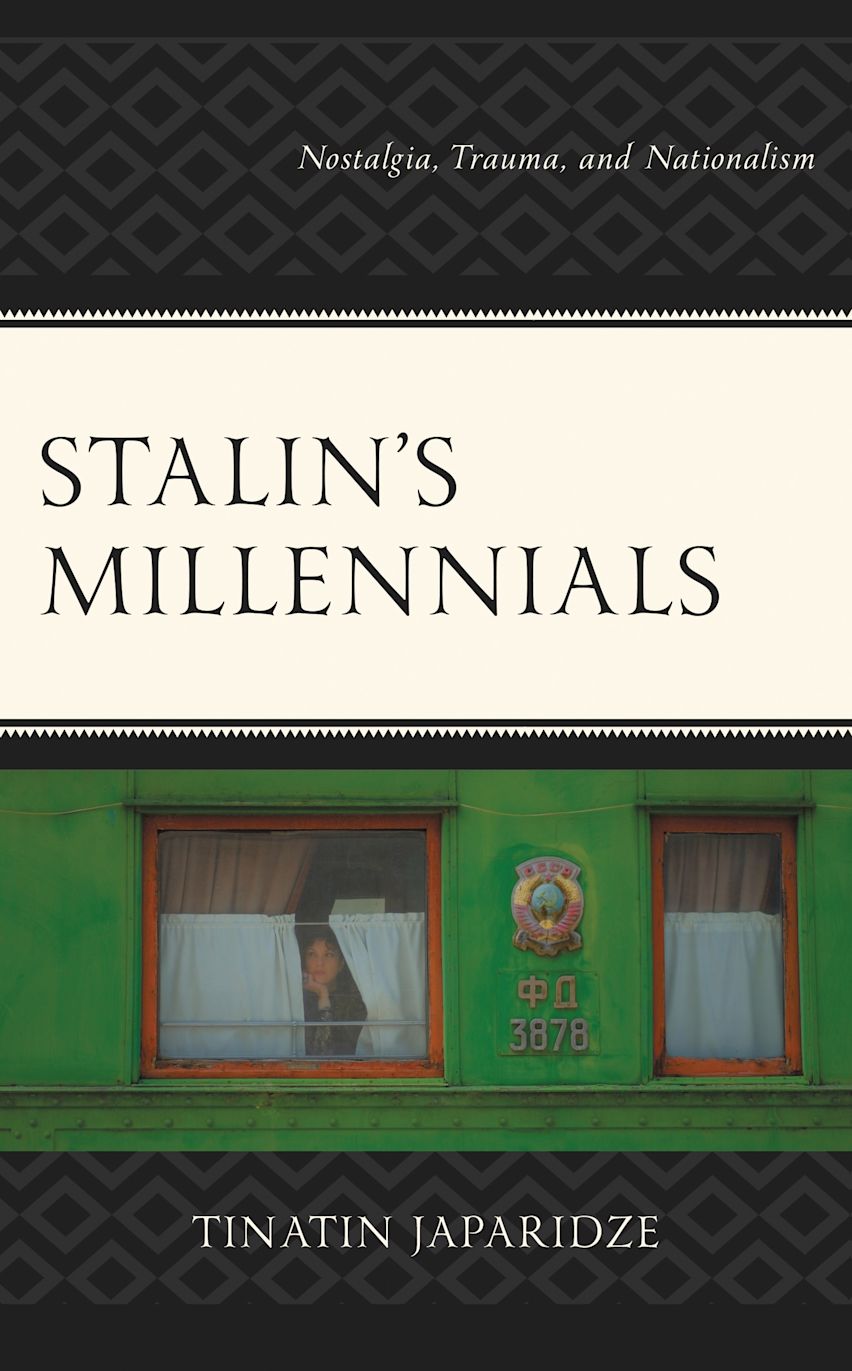
Stalin's Millennials
Nostalgia, Trauma, and Nationalism
Stalin's Millennials
Nostalgia, Trauma, and Nationalism

You must sign in to add this item to your wishlist. Please sign in or create an account
Description
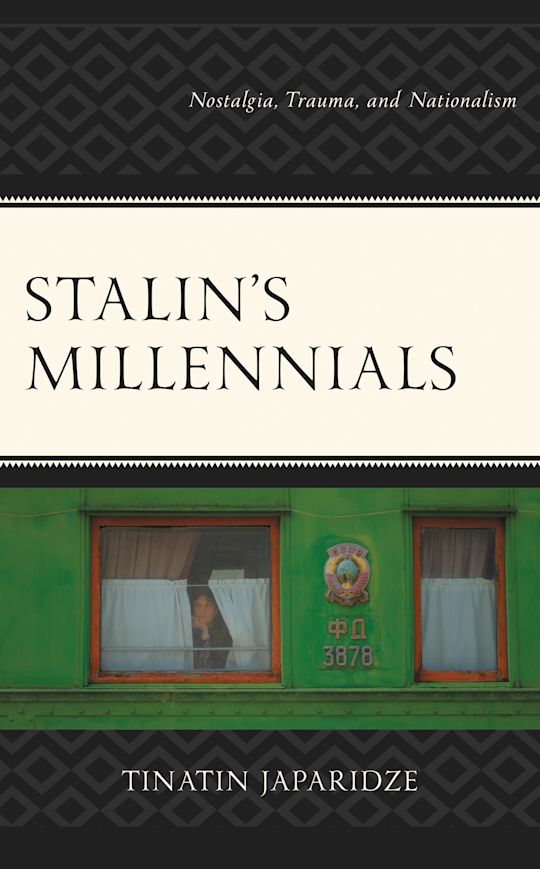
This book examines Joseph Stalin's increasing popularity in the post-Soviet space, and analyzes how his image, and the nostalgia it evokes, is manipulated and exploited for political gain. The author argues that, in addition to the evil dictator and the Georgian comrade, there is a third portrayal of Stalin-the one projected by the generation that saw the tail end of the USSR, the post-Soviet millennials. This book is not a biography of one of the most controversial historical figures of the past century. Rather, through a combination of sociopolitical commentary and autobiographical elements that are uncommon in monographs of this kind, the attempt is to explore how Joseph Stalin's complex legacies and the conflicting cult of his irreconcilable tripartite of personalities still loom over the region as a whole, including Russia and, perhaps to an even deeper extent, Koba's native land-now the independent Republic of Georgia, caught between its unreconciled Soviet past and the potential future within the European Union.
Table of Contents
Introduction: A Trip to Gori…..…...….….…………….…………….…….…..….….
Chapter I. Stalin: Nostalgia for the Past, Present & Future...……..……………
Chapter II. Georgian Man of Borderlands…………………………………..…..…
Chapter III. Soviet Red Tsar...……...……………..…………………………..……....
Chapter IV. Tale of the Third Stalin …………………...……....…..……................
Chapter V. Cult of Personality ……………..……...…………..…..…….................
Chapter VI. Trauma and Nationalism…...…..…………...……...…..……................
Chapter VII. Nostalgia ……………………..………………….....…..……................
Conclusion: Back to Gori…………………………………...………….…………….
Bibliography………….…………………………………...………….………….…….
Index……………………………………….…………………………………………..
About the Author………………………………………………………………………….
Product details
| Published | 21 Feb 2022 |
|---|---|
| Format | Ebook (PDF) |
| Edition | 1st |
| Extent | 180 |
| ISBN | 9781978797932 |
| Imprint | Lexington Books |
| Publisher | Bloomsbury Publishing |
About the contributors
Reviews
-
Given the contemporary salience and political significance of the topic in both Georgia and Russia, this [book] seems a worthwhile direction for further research.
Recensio
-
Japaridze has written the next chapter in Stalinist history. It has been almost seventy years since Stalin's death, and yet he continues to cast a long shadow on post-Soviet Russia and Georgia. The continued nostalgia, fear, and fascination surrounding Stalin's legacy have become watermarks of modern political and cultural identity, showing how the past continues to palpably shape the present.
Margaret E. Peacock, The University of Alabama
-
Fascinating, revisionist, and original, this is a shrewd analysis of the different identities of Stalin, examining how, in Georgia, Russia, and the West, he remains a titanic but brooding presence in our political world seventy years after his death.
Simon Sebag Montefiore, author of Stalin: The Court of the Red Tsar
-
Superbly written and highly engaging. In the middle of acrimonious debates in the West about the dangers of the rehabilitation of Stalin and Soviet nostalgia, Japaridze offers a fresh and courageous look at the 'Third Stalin,' expertly revealing how the millennial generation grapples with the intense ethical dilemmas, contradictory emotions, and multiple historical lessons that have conditioned the formation of their own post-Soviet identities, sense of national belongings and global experiences.
Alexander Cooley, Columbia University
-
Elegantly written and intensely personal. Japaridze navigates the nuances and complexities of Georgian and Russian nostalgia, memory, and identity. Far from a typical assessment of Stalin, this book instead offers us a glimpse into current Russian and Georgian societies via their simultaneous adulation and demonization of the former dictator.
Julie A. George, City University of New York
-
As a Georgian herself, Tinatin Japaridze presents an experimental, fascinating, and impressionistic view of Stalin's legacy in Soviet and Post-Soviet Georgia. In contrast to the traditional academic studies of Stalin's biography and Stalinism in the Soviet Union, Japaridze offers her own interpretation of Stalin's legacy, based on her own impressions after her visits to Stalin's birthplace in Georgia. Concentrating on three topics-nostalgia, trauma and nationalism, Japaridze distinctly explains Stalin's legacy in post-Soviet Georgia, which can help us understand the recent developments in post-Soviet space, especially the rise of Stalin's nostalgia in Putin's Russia today.
Sergei Zhuk, Ball State University
ONLINE RESOURCES
Bloomsbury Collections
This book is available on Bloomsbury Collections where your library has access.