State and Society in the Philippines
- Textbook
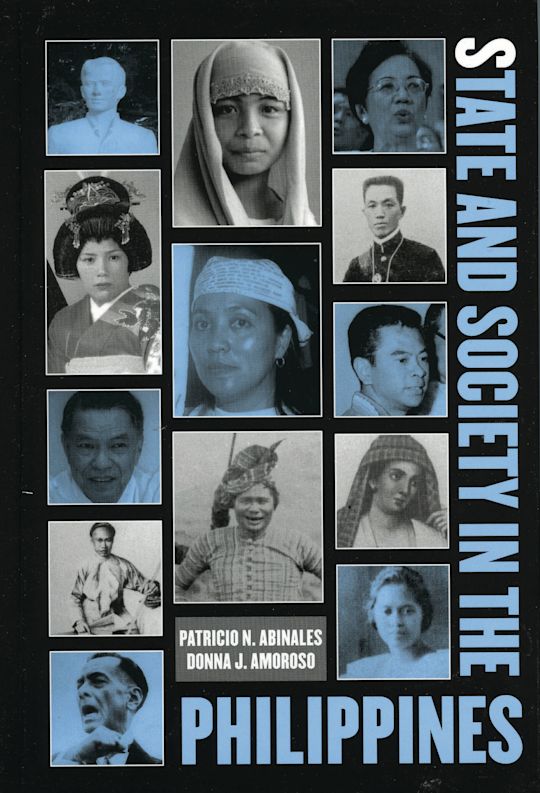

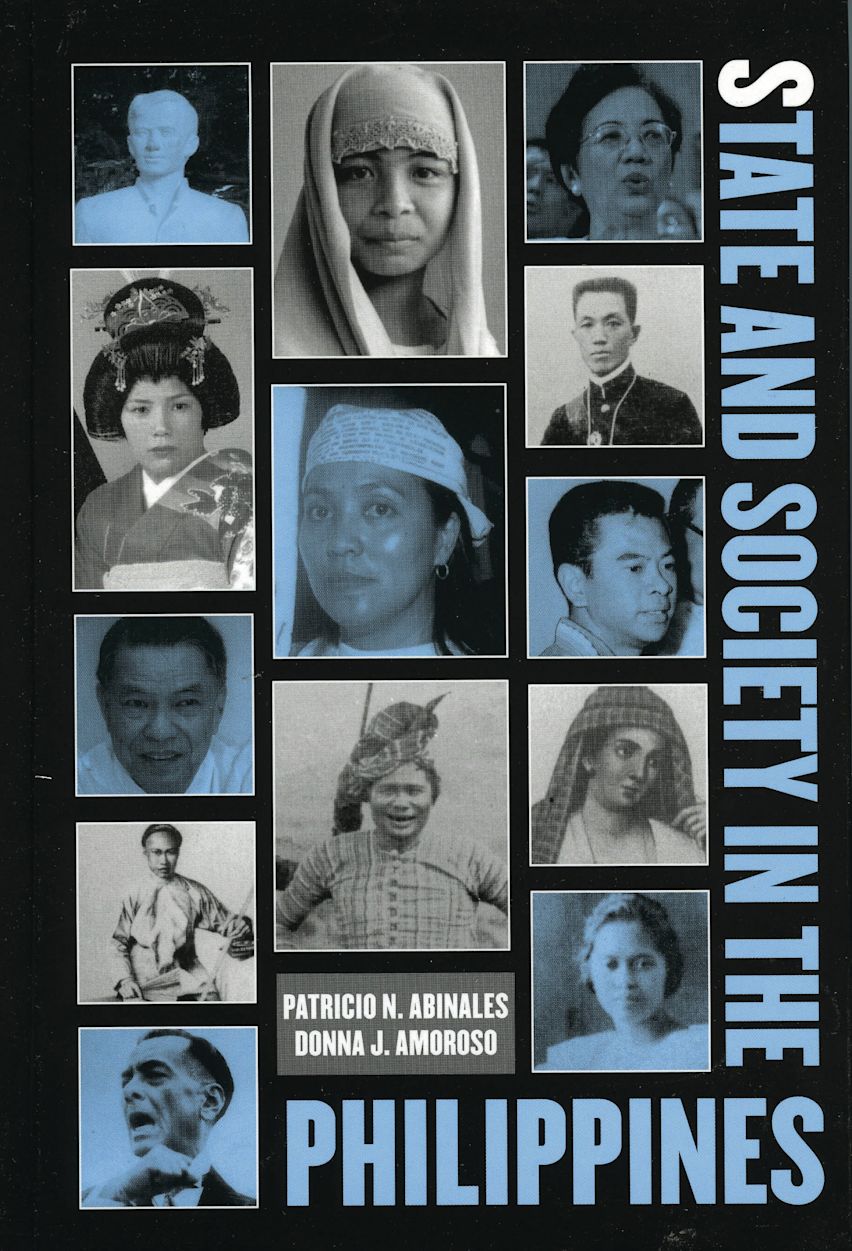
State and Society in the Philippines
- Textbook
Please note that this product is not available for purchase from Bloomsbury websites.
Description
People in the Philippines routinely vote, run for office, organize social movements, and call for good governance by the state. Why, then, is there a recurring state-society dilemma in the Philippines? One horn of the dilemma is the persistent inability of the state to provide basic services, guarantee peace and order, and foster economic development. The other is Filipinos' equally enduring suspicion of a strong state. The idea of a strong Republic evokes President Marcos' martial law regime of the 1970s and 1980s, which spawned two armed rebellions, cost thousands of lives in repression and billions of dollars in corruption, set the nation back years in economic development, and exacerbated suspicion of the state.
This dilemma stimulates thinking about the puzzle of state resilience: How has a "weak state" maintained the territorial integrity of the Philippines in the postwar period in the face of two major rebellions and an armed separatist movement, corruption, mismanagement, intractable poverty, weak sovereignty, and an often chaotic electoral system? Why does the inability to collect taxes, secure citizens' lives and property, and maintain economic infrastructure not result in state failure?
State and Society in the Philippines engages the dilemma of state-society relations through a historical treatment of state formation and the corresponding conflicts and collaborations between state leaders and social forces. It examines the long history of institutional state weakness in the Philippines and the efforts made to overcome the state's structural fragility and strengthen its bond with society. It answers these difficult questions by focusing on how the state has shaped and been shaped by its interaction with social forces, especially in the rituals of popular mobilization that have produced surprising and diverse results.
Table of Contents
Chapter 2: The Philippines in Maritime Asia to the Fourteen Century
Chapter 3: New States and Re-Orientations, 1368–1764
Chapter 4: State and Societies, 1764–1898
Chapter 5: Nation and States, 1872–1913
Chapter 6: The Filipino Colonial State, 1902–1946
Chapter 7: All Politics is Local, 1946–1964
Chapter 8: Marcos, 1965–1986
Chapter 9: Democratization, 1986–2000
Chapter 10: Twenty-first-Century Philippine Politics
Product details
| Published | 05 May 2005 |
|---|---|
| Format | Ebook (Epub & Mobi) |
| Edition | 1st |
| Pages | 336 |
| ISBN | 9780742568723 |
| Imprint | Rowman & Littlefield Publishers |
| Series | State & Society in East Asia |
| Publisher | Bloomsbury Publishing |
Reviews
Related Titles