Suffragist Migration West after Seneca Falls, 1848–1871
Catharine Paine Blaine

Suffragist Migration West after Seneca Falls, 1848–1871
Catharine Paine Blaine
Description
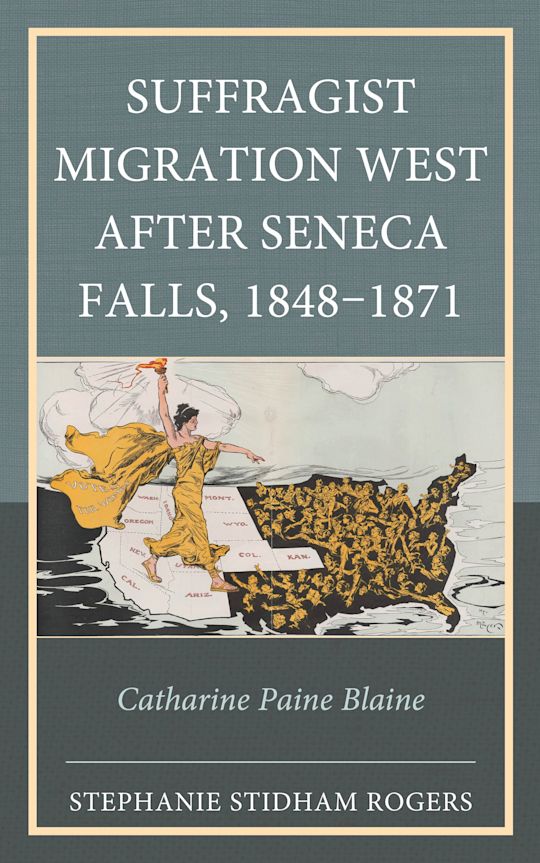
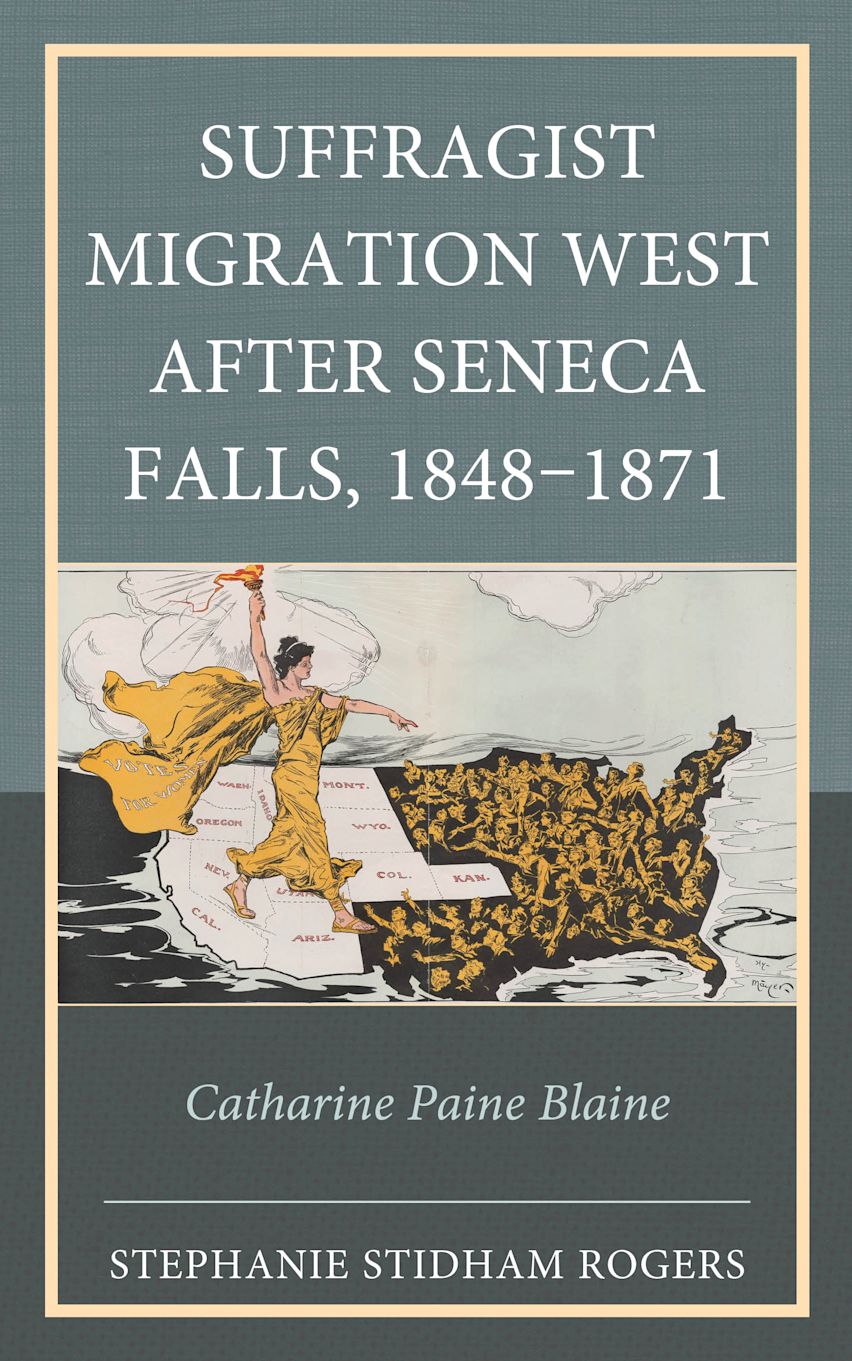
Suffragist Migration West after Seneca Falls, 1848–1871: Catharine Paine Blaine by Stephanie Stidham Rogers explores the surprising link between Elizabeth Cady Stanton, the Seneca Falls Women’s Rights Conference of 1848, and the Women’s Suffrage Bill presented at the 1854 Washington State Territorial Legislature. It shows how Seattle’s first Suffragist, educator, clothing protestor, and activist Catharine Paine Blaine planted the seeds of the Western feminist movement, and this book redresses her prior omission as the founder of the University of Washington. Catharine drew upon the political tools and discursive skills she acquired during her abolitionist upbringing in the nascent days of Washington State. However, like many suffragists of her time, she rejected Native culture and regarded Native men as competitors for the vote. Rogers examines Seattle within the broader context of the Western “suffrage column” that would only gain similar widespread acceptance in the East in 1885, when Catharine Paine Blaine became the first signer of the Seneca Falls Declaration to legally cast her vote in the City of Seattle. Stidham Rogers unveils the unique contributions of Western suffragists in the comparatively liberating frontier context, leading to the passage of the Nineteenth Amendment.
Table of Contents
Introduction
Chapter One: Suffragist Childhoods: Learning Discourse in an Abolitionist Setting
Chapter Two: How the Seneca Falls Women’s Conference & Bloomerism Created Space for a Western Movement
Chapter Three: The New Companionate Marriage and Suffragist Migration West
Chapter Four: New Opportunities for Suffragists on the Frontier
Chapter Five: Suffragists and the Racial Politics of the West
Chapter Six: Western Politics Spur Women’s Suffrage Work
Bibliography
About the Author
Product details
| Published | 06 Mar 2024 |
|---|---|
| Format | Ebook (Epub & Mobi) |
| Edition | 1st |
| Extent | 230 |
| ISBN | 9781666950137 |
| Imprint | Lexington Books |
| Illustrations | 11 BW Photos |
| Publisher | Bloomsbury Publishing |
Reviews

ONLINE RESOURCES
Bloomsbury Collections
This book is available on Bloomsbury Collections where your library has access.
Related Titles