
Payment for this pre-order will be taken when the item becomes available
- Delivery and returns info
-
Free UK delivery on orders £30 or over
Description
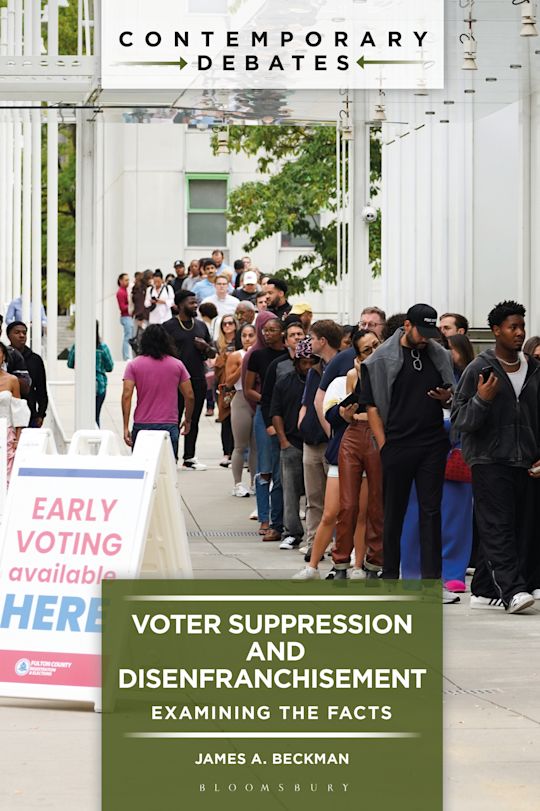
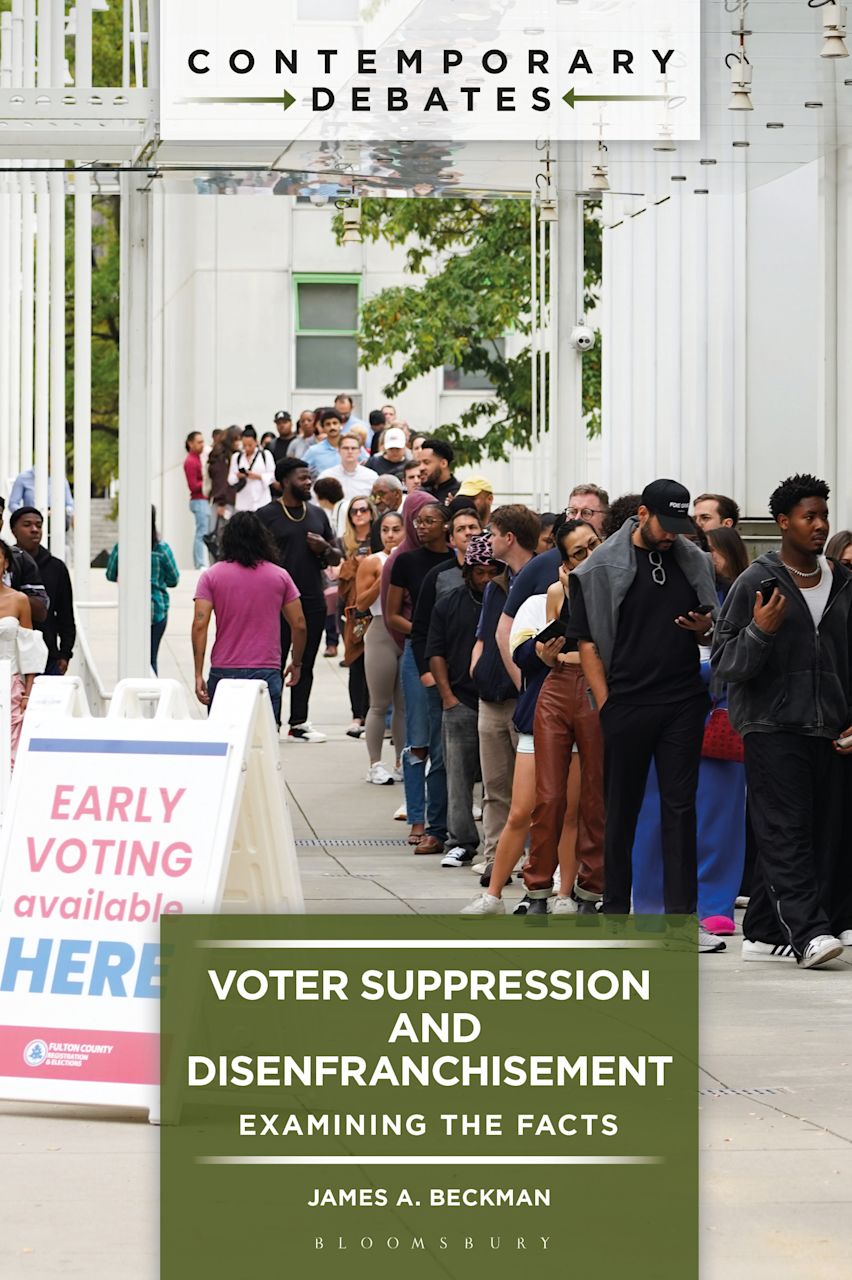
Since the Civil Rights Movement of the mid-twentieth century, US election law has been characterized by an oft-bipartisan consensus that 1) the expansion of voting rights was a positive indicator of a healthy democratic republic and government, and 2) elections at the national, state, and local levels were well-protected from voter fraud and other electoral mischief.
Both of those long-held beliefs, though, are topics of heated national debate today. Many Americans have been misled about the facts by sustained campaigns of media misinformation and political partisanship. This book addresses that confusing state of affairs by detailing and explaining the objective facts and relevant laws concerning voter suppression, voter fraud, and disenfranchisement in America, past and present.
Table of Contents
1. Foundational Issues Pertaining to Voter Suppression or Disenfranchisement
Q1: Has there always been universal suffrage and the right to vote in America?
Q2: Does the Fifteenth Amendment guarantee the right to vote regardless of race?
Q3: Have women always enjoyed the right to vote?
Q4: Can examples of significant voter fraud be found in US history?
Q5: Was the Voting Rights Act of 1965 passed to combat voter disenfranchisement and voter suppression?
Q6: What was the impact of the Supreme Court's Shelby County v. Holder (2013) decision on voting rights and voter suppression?
Q7: Which states passed restrictive voting suppression laws after Shelby County v. Holder?
Q8: How often has voter fraud taken place in modern national elections, and does the level of fraud justify preventive measures that burden the right to vote ?
2. Links between Institutional Structures and Process and Voter Disenfranchisement
Q9: Does gerrymandering and districting diminish equal or proportional representation or disenfranchise voters?
Q10: Does the operation of the Electoral College disenfranchise voters in presidential elections?
Q11: Has the federal government enacted legislation making it easier to register to vote and/or preventing states from voter registration purges?
Q12: Has election infrastructure been modernized and improved to help protect against voter disenfranchisement?
Q13: What actions regarding voter identification have state governments taken in response to the 2002 passage of the Help America Vote Act?
3. Disenfranchised Groups Based upon Status
Q14: Does felony disenfranchisement adversely impact particular demographic groups?
Q15: Could a person be disenfranchised because of a judicial determination of “mental incompetency” or being classified by the state as an “idiot”?
Q16: Are college students at greater risk of disenfranchisement?
Q17: Are the voting rights of military members and their families impacted by virtue of military service?
Q18: Are unhoused individuals at greater risk of disenfranchisement?
4. Voter Registration and Voting Registration Poll Purges
Q19: What are the legal requirements of state voter registration purges?
Q20: What are the chief reasons why voters are removed from voter registration lists?
Q21: Did the Interstate Crosscheck Program improve voting access and protect against voter fraud, or did it suppress the vote?
Q22: Do any centralized federal databases currently exist to verify voter registration?
Q23: Have states utilized other database-related matching programs that suppress the vote?
Q24: Do state election police forces exist to investigate and protect against voter fraud?
5. Mail-in Ballots, Ballot Drop Boxes, Voter Identification Requirements, and Early Voting
Q25: How do restrictions on voting by mail or absentee voting impact voter participation?
Q26: Are ballot drop boxes secure and fraud resistant?
Q27: What is the status of universal voter identification laws?
Q28: How commonplace is the practice of early voting, and how does it impact voter turnout?
6. Impacts of Restrictions and Conditions of Polling Places on Voting
Q29: Which states have closed polling places, and how has this suppressed the vote?
Q30: Are there longer waits and lines in urban polling stations than in small towns and suburban areas?
Q31: What disparities exist between voting resources at polling places in affluent and poor communities?
7. Security and Maintenance of Peace and Security at Polling Places
Q32: Are partisan poll watchers needed in elections, or do they contribute to voter suppression?
Q33: Is it permissible to station police at polling locations?
Q34: Are voters protected by law from intimidation, threats, coercions, and/or violence at the polling place?
Q35: Are election workers adequately protected from intimidation and violence?
Index
Product details

| Published | 17 Sep 2026 |
|---|---|
| Format | Hardback |
| Edition | 1st |
| Pages | 224 |
| ISBN | 9798765133675 |
| Imprint | Bloomsbury Academic |
| Dimensions | 235 x 156 mm |
| Series | Contemporary Debates |
| Publisher | Bloomsbury Publishing |
Related Titles