
Description
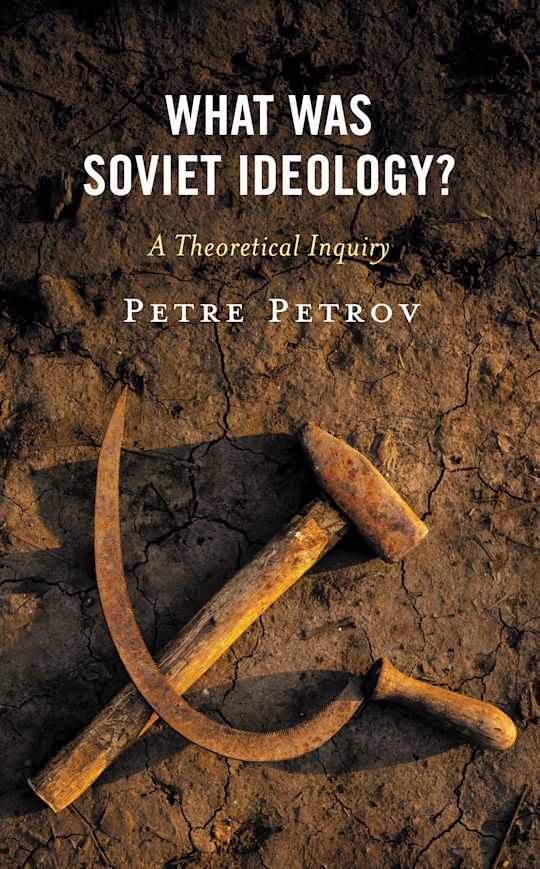
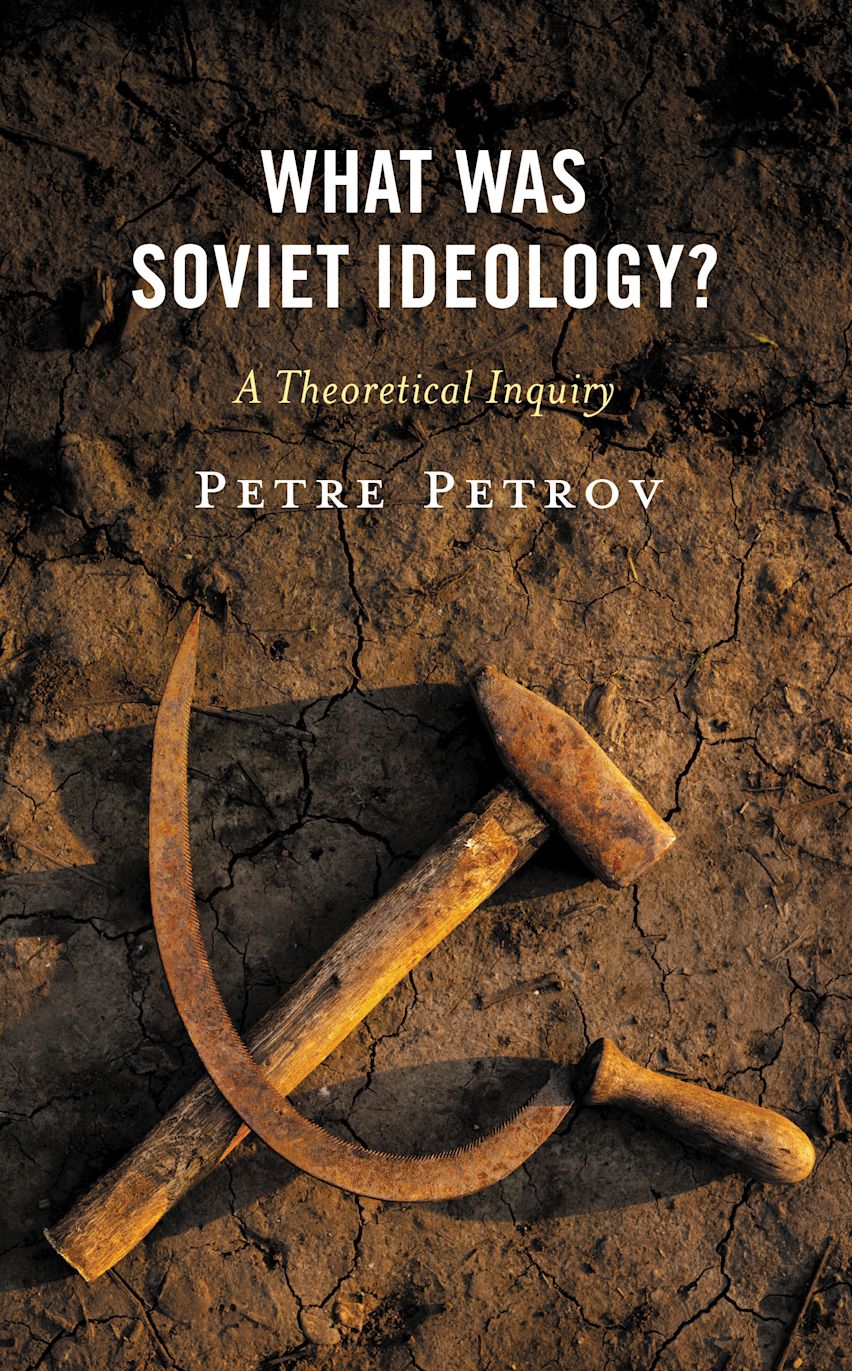
Because the Soviet Union loudly proclaimed to be an ideological state, its scholars have rarely scrutinized ideology as a concept. Instead, they have treated it as a self-evident fact and proceeded to deliberate the importance of the Marxist-Leninist creed in social life or political decision-making. In the context of the Cold War, such theoretical neglect was exacerbated by political investments that often outweighed—and deformed—intellectual priorities. This has left us today with a notion that is both worn out and opaque, over-used but under-thought. In What Was Soviet Ideology? Petre Petrov stakes a new theoretical ground beyond prevalent misconceptions, ready-made definitions, and popular stereotypes. Drawing on continental philosophy and critical theory, this book presents ideology as a dynamic form with its own inner dialectic, in which the Soviet ideological regime figures as an original moment, a sui generis phenomenon. Petrov argues that Soviet ideology should be seen not as a member of an existing species but as a qualitative transformation of the species, ideology, and itself.
Table of Contents
Chapter 1: What Makes Ideology Ideological?
Chapter 2: The Three Logics of Ideology
Chapter 3: The Ontological Truth of Ideology
Chapter 4: The Production of Ideology
Chapter 5: The Show of Civilization
Chapter 6: The Economy of Tokens
Conclusion
Bibliography
Index
About the Author
Product details
| Published | 02 Nov 2023 |
|---|---|
| Format | Ebook (Epub & Mobi) |
| Edition | 1st |
| Extent | 282 |
| ISBN | 9781666937381 |
| Imprint | Lexington Books |
| Publisher | Bloomsbury Publishing |
Reviews

ONLINE RESOURCES
Bloomsbury Collections
This book is available on Bloomsbury Collections where your library has access.
Related Titles