Wild Horses and Their Relatives in the Middle Ages
Buying pre-order items
Ebooks and Audiobook
You will receive an email with a download link for the ebook or audiobook on the publication date.
Payment
You will not be charged for pre-ordered books until they are available to be shipped. Pre-ordered ebooks will not be charged for until they are available for download.
Amending or cancelling your order
For orders that have not been shipped you can usually make changes to pre-orders up to 72 hours before the publishing date.
Payment for this pre-order will be taken when the item becomes available
- Delivery and returns info
-
Free UK delivery on orders £30 or over
Description
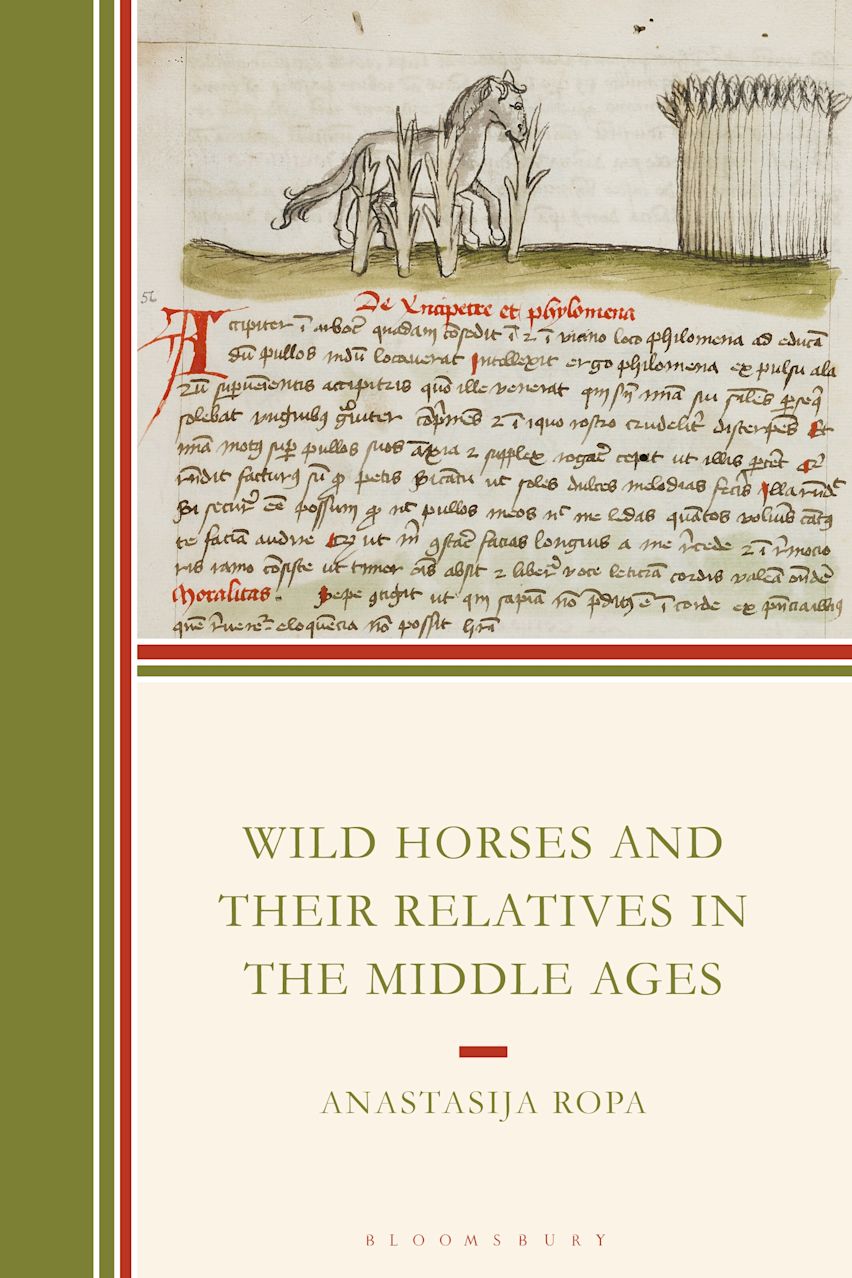
Wild Horses in the Middle Ages offers a comprehensive and interdisciplinary exploration of the presence, perception, and treatment of wild and feral horses across medieval Europe and adjacent regions. Drawing on archaeological evidence, genetic studies, medieval legal codes, hippiatric treatises, chronicles, and visual culture, the book interrogates the ambiguous status of wild horses in the historical record and challenges modern assumptions about equine domestication.
Anastasija Ropa traces the biological and legal distinctions between wild and domestic horses, and examines how medieval authors and artists depicted equine life. From breeding advice in hippiatric treatises to frescoes showing horse hunts, these sources reveal how horses were embedded in medieval economies, landscapes, and imaginations-not only as laborers and companions but also as symbols of status, wilderness, and power.
Table of Contents
List of Images
Introduction: Defining the Wild Animal
Chapter 1: Wild Horses in Medieval Literature
Chapter 2: Wild Horses and Asses in Encyclopaedias
Chapter 3: Wild, Feral and Free-Living Horses in the Everyday Life of Medieval Society
Chapter 4: “Unwilding” or Taming Wild Horses for Human Use
Bibliography
Product details

| Published | 20 Aug 2026 |
|---|---|
| Format | Hardback |
| Edition | 1st |
| Pages | 184 |
| ISBN | 9781666968699 |
| Imprint | Bloomsbury Academic |
| Dimensions | 229 x 152 mm |
| Series | Byzantium: A European Empire and Its Legacy |
| Publisher | Bloomsbury Publishing |
Reviews
Related Titles