- Home
- ACADEMIC
- History
- European History
- American Power in the Netherlands
American Power in the Netherlands
Modernization and the Politics of Clientelism, 1941-59
American Power in the Netherlands
Modernization and the Politics of Clientelism, 1941-59

Payment for this pre-order will be taken when the item becomes available
You must sign in to add this item to your wishlist. Please sign in or create an account
Description
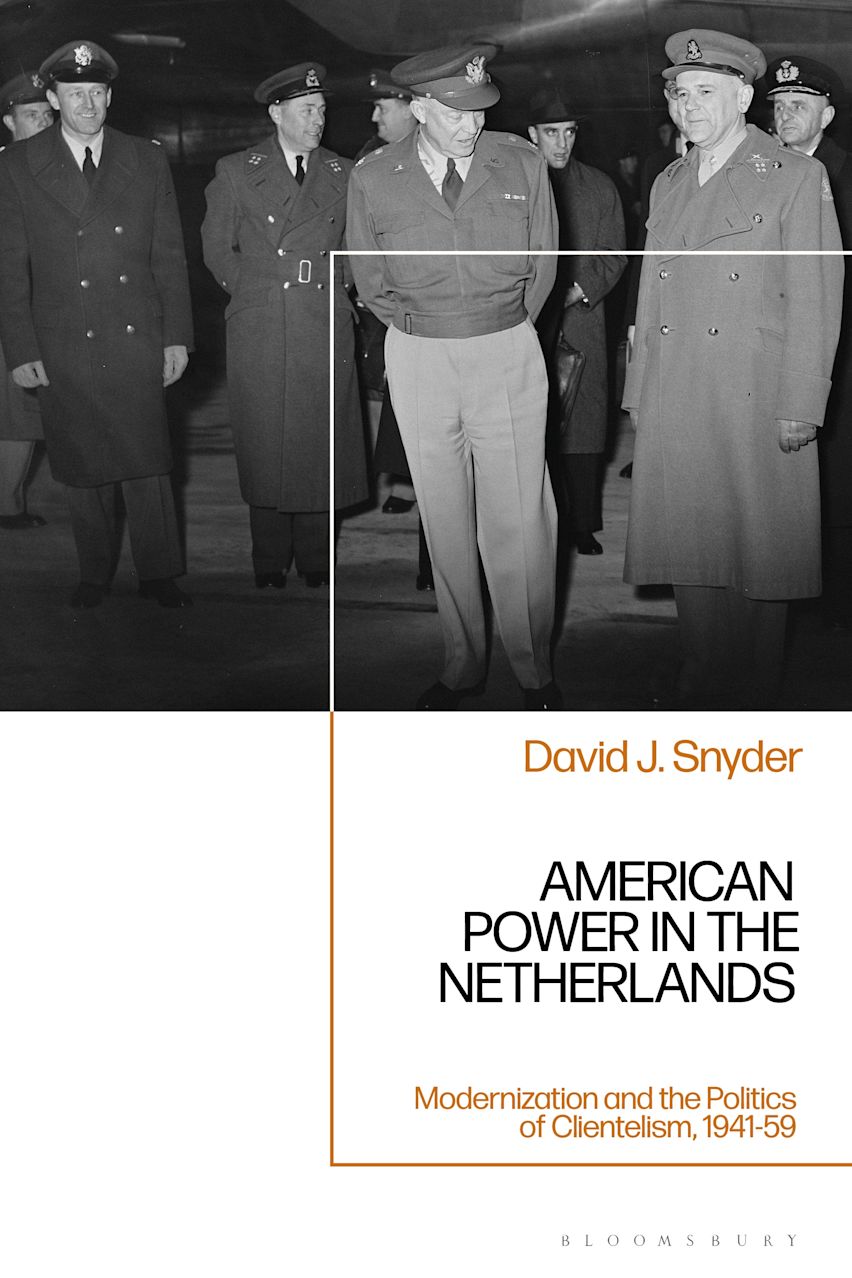
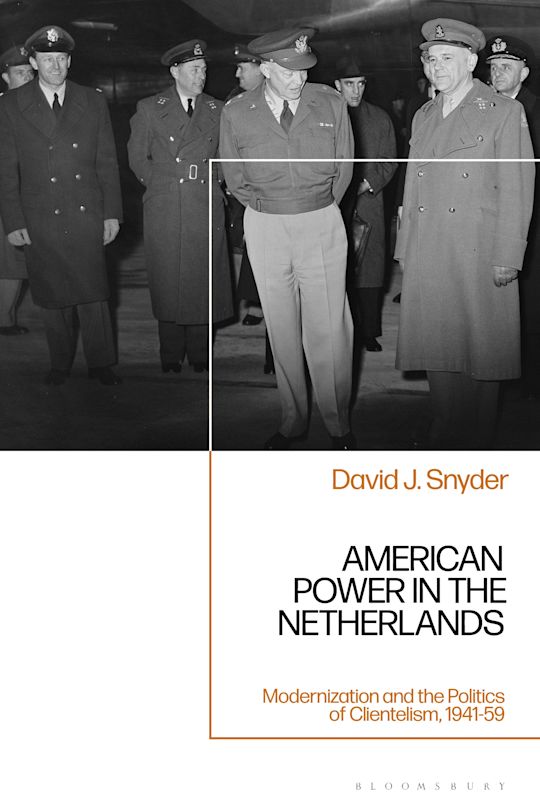
This book tells the story of American influence within the Netherlands after the Second World War. David J. Snyder reveals that, while American power in the Netherlands grew to touch nearly every aspect of Dutch life, that power was solicited, shaped, and sometimes resisted by the Dutch themselves.
American Power in the Netherlands provides for the first time an account of the scale and scope of the US presence, and of the Dutch response to the new American fact of life. The book advances two intertwined stories: the recreation and modernization of Dutch politics, international relations, and socio-economy after the Second World War, and the role of American power in facilitating and advancing that Dutch modernization.
Table of Contents
1. War and Renewal
2. The Years of Uncertainty, 1945–1946
3. The Crisis Years: Expropriating American Power, 1946–1948
4. American Power Becomes Decisive, 1948–1951
5. Dutch Military Clientelism: Securing the Verzorgingsstaat, 1949–1953
6. Cultural and Information Programming, 1948–1955
7. Reasserting Autonomy: Productivity, Austerity, and the Dutch Harmony Model, 1951–1954
8. The Waning of the American Era, 1955–1959
Conclusion: The Meaning of Clientelism in the American Century
Bibliography
Index
Product details

| Published | Jan 22 2026 |
|---|---|
| Format | Ebook (Epub & Mobi) |
| Edition | 1st |
| Extent | 360 |
| ISBN | 9781350545472 |
| Imprint | Bloomsbury Academic |
| Publisher | Bloomsbury Publishing |

About the contributors
Reviews
-
The product of years of research and deep reflection, this book draws on extensive Dutch and American archives. David Snyder explores the Dutch ambivalence toward the United States in an original way, showing how Dutch leaders skillfully used dependence on American power and aid to shape the postwar future of the Netherlands. His innovative application of clientelism offers an important and insightful transatlantic perspective.
Rimko van der Maar, Senior Lecturer History of International Relations, University of Amsterdam, The Netherlands
-
David Snyder has produced a deeply researched and conceptually sophisticated study of the complex, asymmetrical, and yet highly dialectical relationship between the United States and the Netherlands during the pivotal first decade after World War II. By thoroughly examining the multifaceted nature of this relationship-across political, military, diplomatic, and cultural dimensions-Snyder offers a rich and nuanced analysis of the U.S. imperial presence in early Cold War Europe.
Mario Del Pero, Professor of International History, SciencesPo-Paris, France
-
A masterful study of U.S.-Dutch relations, blending sharp analysis with rich historical insight. Snyder's clientelism framework reveals a nuanced Cold War partnership – marked by negotiation, resistance, and mutual leverage – that transcends simplistic models of dominance. Essential reading for scholars of empire, diplomacy, and transatlantic history.
Alessandro Brogi, University of Arkansas, USA, author of 'Confronting America: The Cold War between the United States and the Communists in France and Italy' (2011)
ONLINE RESOURCES
Bloomsbury Collections
This book is available on Bloomsbury Collections where your library has access.