English-Medium Instruction in Higher Education in Hong Kong
Policy, Research and Practice in STEM Classrooms
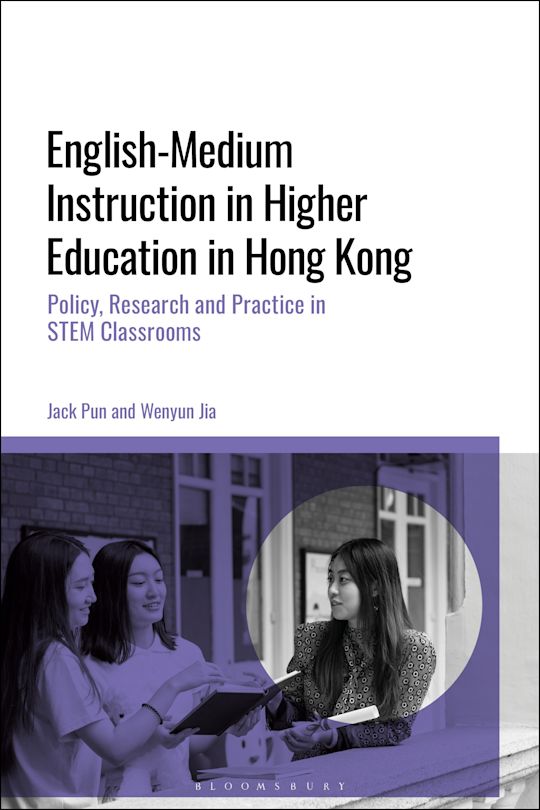

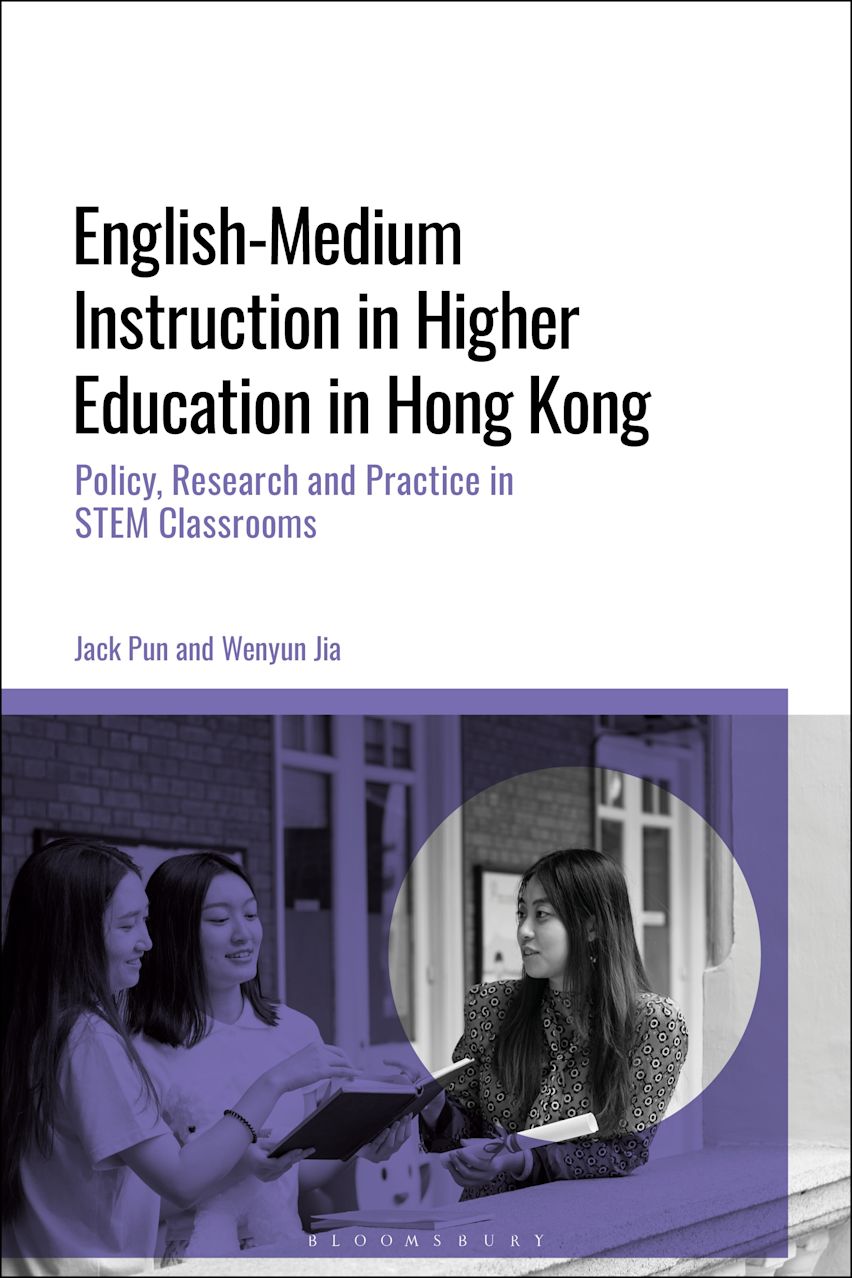
English-Medium Instruction in Higher Education in Hong Kong
Policy, Research and Practice in STEM Classrooms
Description
This book explores issues of teaching science, technology, engineering and math (STEM) through the medium of English in the context of higher education in Hong Kong.
It analyses policy issues and language challenges faced by university students and pedagogical strategies for the professional development of English-Medium of Instruction (EMI) teachers.
Hong Kong as a focus case is valuable because nearly 60% of government-funded university programmes are STEM or science-related, while over 90% of the student population speaks Chinese as a first language but also speak and write English due to local language policies and Hong Kong's colonial history, making it a useful site for EMI research. By providing an evidence-based, pedagogically-focused analysis of teacher and student classroom practices and their perceptions, this book sheds light on ways to improve the quality of instructional practices and effective scaffolding in different types of EMI classrooms in Hong Kong and in similar contexts around the world.
The examples of the EMI lessons with annotated notes which showcase good practices of EMI teaching will be particularly valuable to university EMI co-ordinators, content-subject and English teachers, and instructors doing EMI professional development courses.
Table of Contents
2. EMI Policies and Practices in STEM Subjects
3. Teaching STEM in EMI Classrooms
4. Practice and Pedagogy in EMI STEM Teaching – Understanding Students and Subject Content
5. Practice and Pedagogy in EMI STEM Teaching – Narrowing in on Language and Content
6. Practice and Pedagogy in EMI STEM Teaching – Bridging Language and Content Through Translanguaging and Language Scaffolding
7. Teacher identity in STEM EMI Classrooms
8. Learning STEM in EMI classrooms
9. Professional Development for STEM Teachers in EMI Classrooms
10. New Technologies and Digital Learning in EMI STEM Classrooms
11. Conclusion: Closing the Gap Between Policies and Practices in EMI
References
Index
Product details

| Published | Dec 11 2025 |
|---|---|
| Format | Ebook (PDF) |
| Edition | 1st |
| Pages | 272 |
| ISBN | 9781350344792 |
| Imprint | Bloomsbury Academic |
| Illustrations | 10 bw illus |
| Publisher | Bloomsbury Publishing |
Reviews

ONLINE RESOURCES
Bloomsbury Collections
This book is available on Bloomsbury Collections where your library has access.
Related Titles