
Description
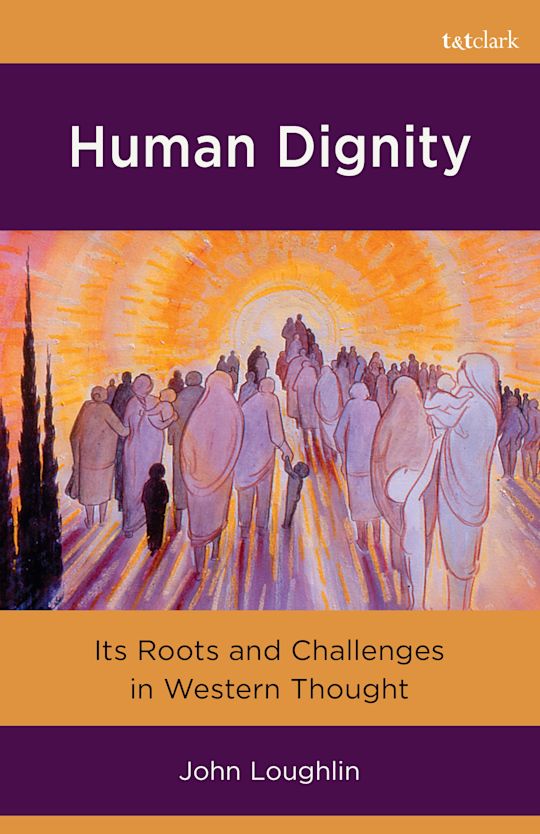
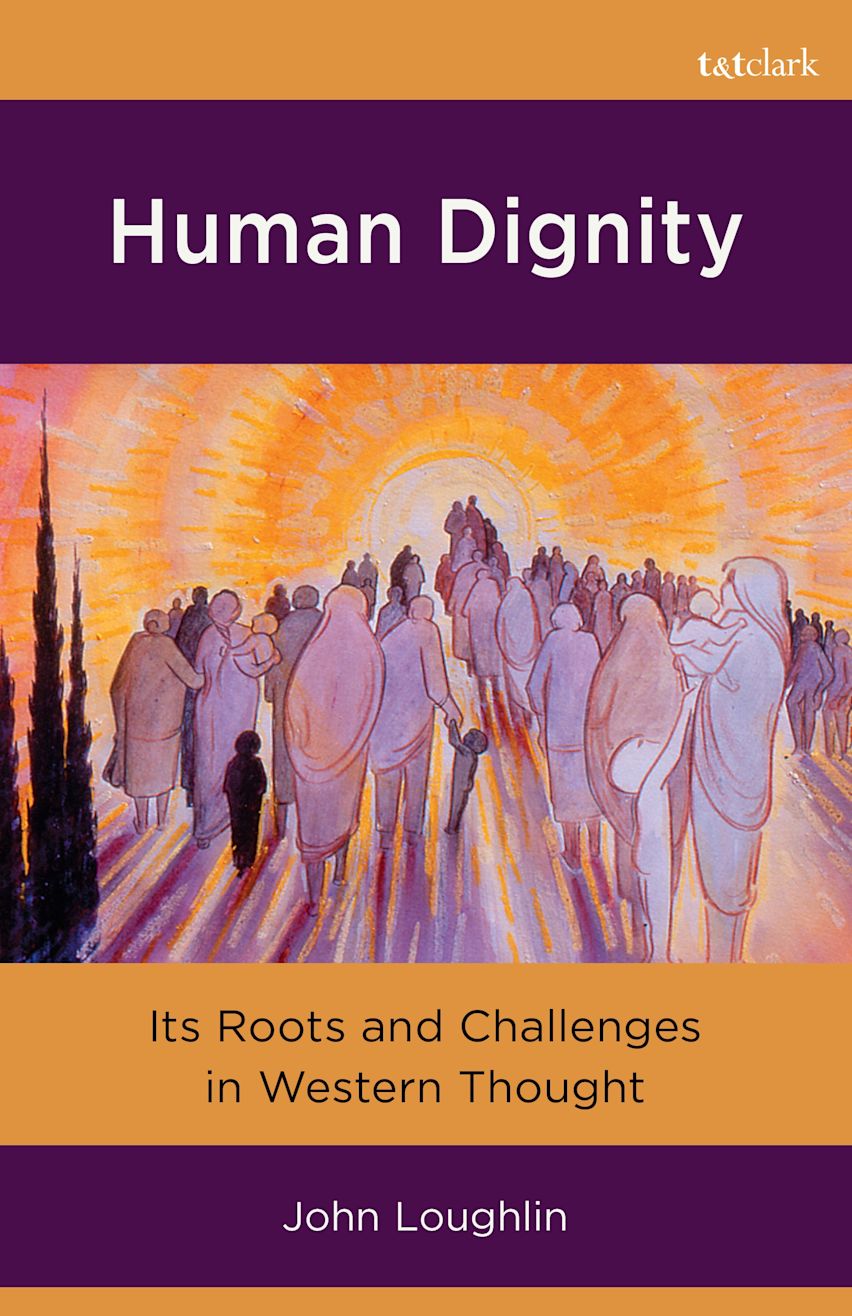
A bold reappraisal of the concept of human dignity through the lens of Catholic tradition. Drawing on the biblical notion that human beings are made in the image and likeness of God (Imago Dei), John Loughlin traces the development of this idea from antiquity to modernity. He examines key moments of continuity and rupture-from the Church Fathers to the Renaissance, the Reformation to Enlightenment secularism, and 20th-century renewal to today's contested bioethical landscape. Integrating theology, philosophy, and political thought, the book engages contemporary moral debates while presenting a constructive Catholic anthropology. This is a timely and provocative contribution for scholars, students, and general readers concerned with the future of human dignity in a fragmented world.
Table of Contents
Introduction
1. Human Beings Made 'In the Image and Likeness of God - The Biblical Breakthrough
2. The New Testament Understanding of the 'Imago Dei'
3. The Patristic and Mediaeval Theological Development of 'Image and Likeness
4.The Renaissance Vision of the Human Being
5. The Reformation: The Collapse of the Christian Humanist Synthesis?
6. The Enlightenment and the Rise of Secular Modernity
7. Romanticism, Reaction, and the Fragmentation of Modern Concepts of Human Dignity
8. Twentieth-Century Challenges and the renewal of the Catholic Understanding of Human Dignity
9. Human Dignity in Contemporary Ethical Conflicts - A Concluding Reflection
References
Index
Product details
| Published | Apr 02 2026 |
|---|---|
| Format | Ebook (PDF) |
| Edition | 1st |
| Pages | 256 |
| ISBN | 9780567726438 |
| Imprint | T&T Clark |
| Publisher | Bloomsbury Publishing |
Reviews

ONLINE RESOURCES
Bloomsbury Collections
This book is available on Bloomsbury Collections where your library has access.
Related Titles