
Payment for this pre-order will be taken when the item becomes available
- Delivery and returns info
-
Free US delivery on orders $35 or over
Description
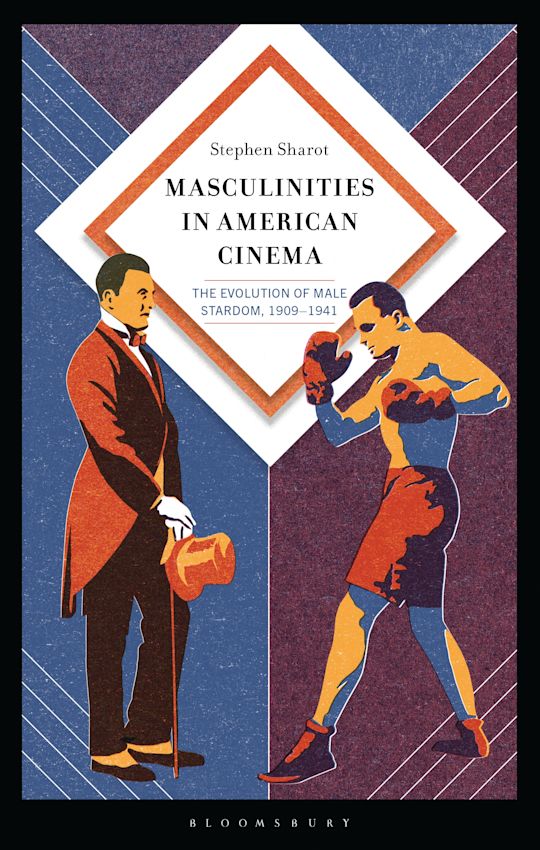
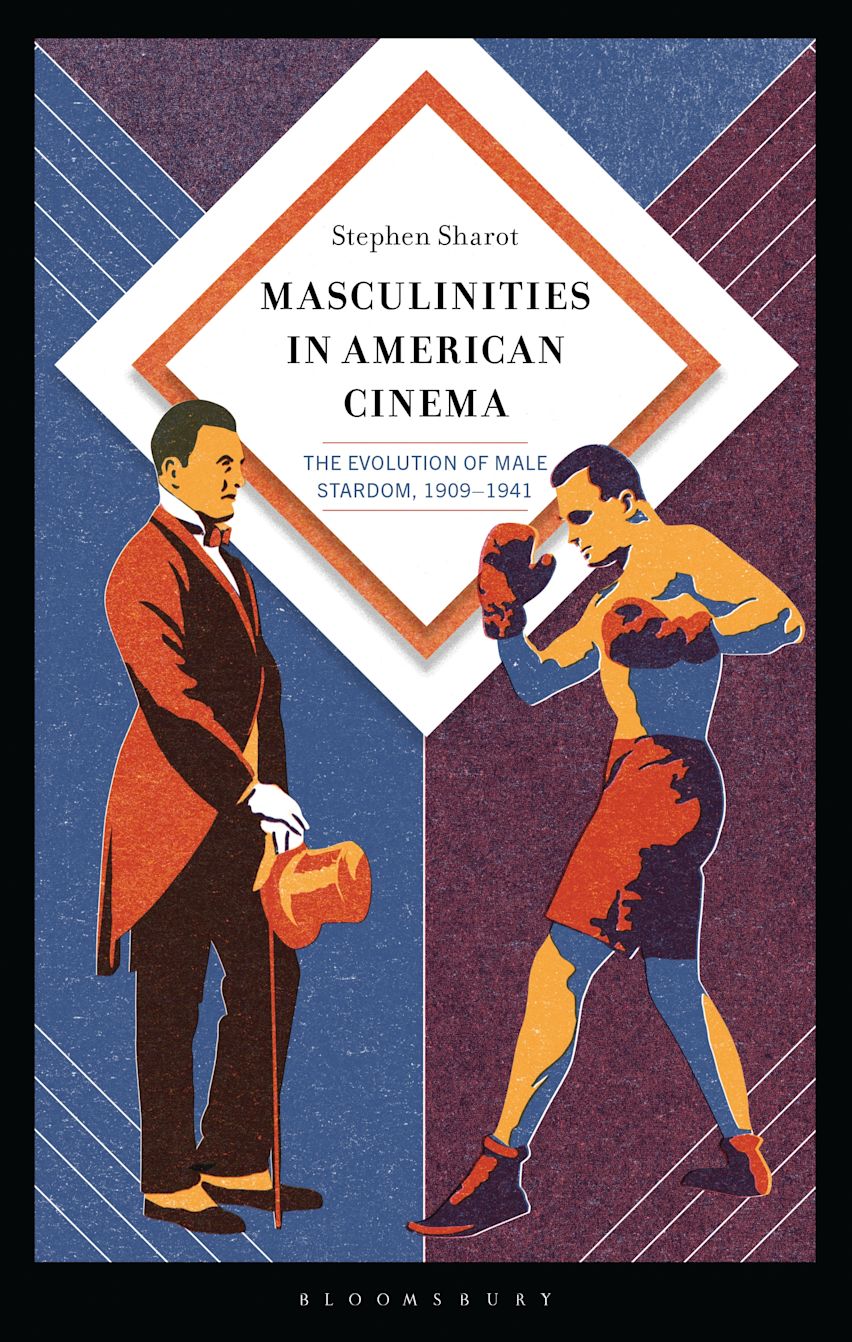
Stephen Sharot traces the evolution of male stardom from its beginnings in 1909 through the United States' entrance into World War II in 1941, highlighting the influence of a changing American society on masculine identity and ideals.
Drawing on conceptual frameworks from both sociology and film studies including hegemonic masculinity, the civilizing process, and star studies, Sharot analyzes the various masculinities adopted by male stars like Eugene O'Brien, Robert Montgomery, and Conway Tearle, among others. In doing so, he demonstrates the integral relationship between trends in masculine personas, shifting gender relations, and changes to the nature of work and the labor force. As constructions and articulations of masculinity among emergent classes were transformed, he contends, so too were their representations.
While individual agency and ideology were significant factors in the formation of these personas, Sharot also situates them within the context of the film industry's “star machine,” emphasizing the influential role of major studios and the largely manufactured and (re)producible nature of stardom.
Table of Contents
1. Early Male Stars
2. Fan Magazines and New Stars
3. The 1920s: Latin Lovers, Leading Men, and He-Man Stars
4. The 1920s: Masculinization, Regular Guys, and Debonairs
5. The Transition to Sound, the Great Depression, and a Woman's Hollywood
6. The 1930s: Tough Guys and Working-Class Personas
7. The 1930s: British Gentlemen and Leading Men
8. The 1930s: Glamorous Males, Debonairs, Crooners, and New Stars
Conclusion: World War II and After
Bibliography
About the Author
Index
Product details

| Published | Sep 03 2026 |
|---|---|
| Format | Hardback |
| Edition | 1st |
| Pages | 280 |
| ISBN | 9798216370505 |
| Imprint | Bloomsbury Academic |
| Illustrations | 15 bw illus |
| Dimensions | 9 x 6 inches |
| Publisher | Bloomsbury Publishing |
Reviews
Related Titles