(Mis)Reading Different Cultures
Interpreting International Children’s Literature from Asia
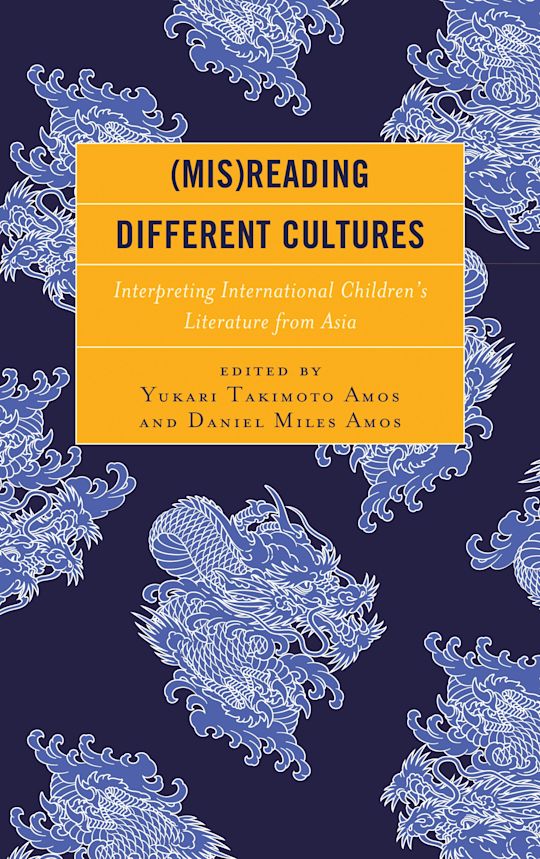

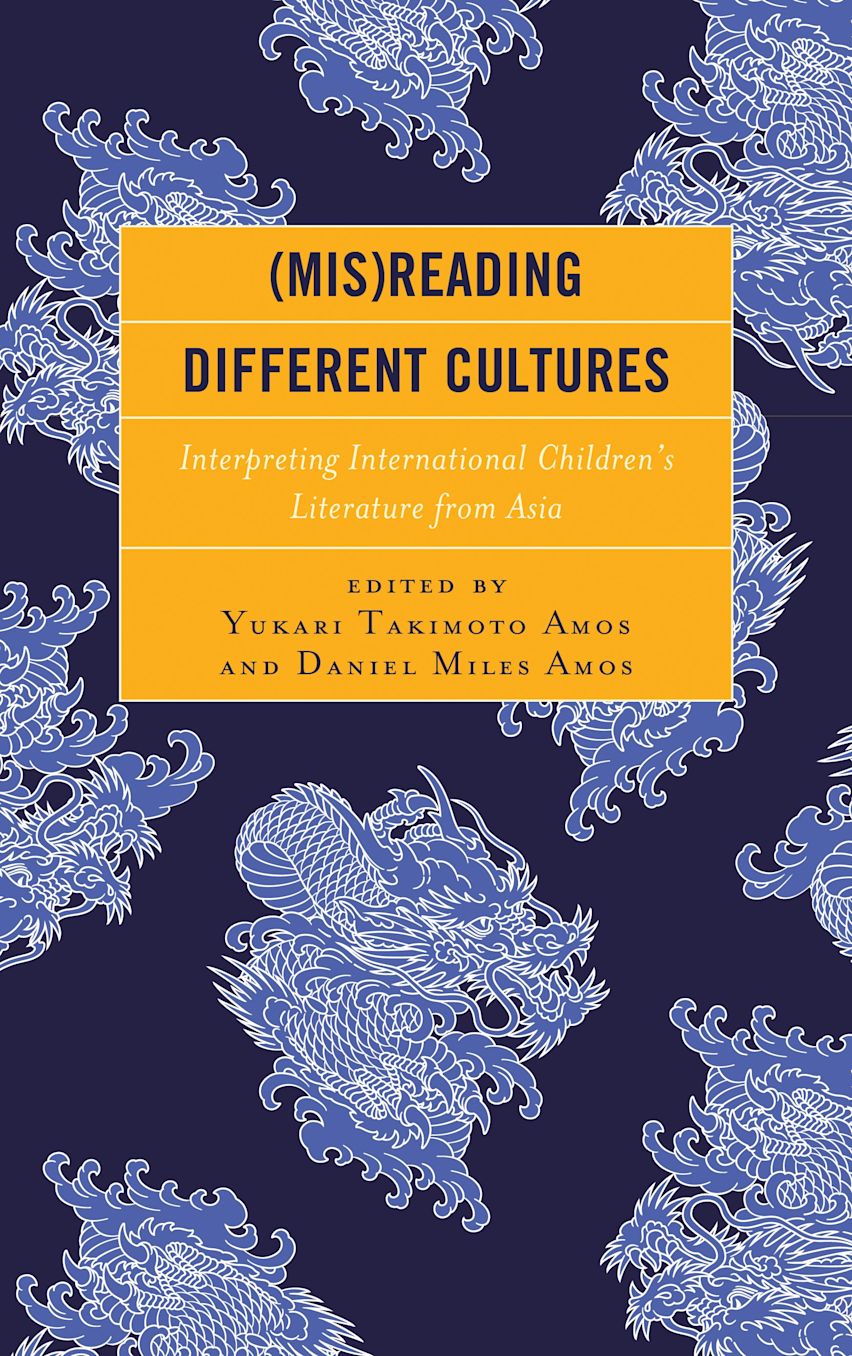
(Mis)Reading Different Cultures
Interpreting International Children’s Literature from Asia
Description
Teachers’ selection of the literature they use in instruction frequently depends on how they interpret, in other words whether or not they accurately take in the authors’ perspectives. This point presents a particular challenge in the selection of international literature. International literature reflects a country’s and a region’s unique cultural values and practices and is usually not written for people outside the country of origin. Therefore, it is possible that readers in other countries may not understand/be aware of those values and misinterpret the stories. Since Asian and the Western countries, including the U.S., hold maximum sociocultural differences and the perceived cultural distance has remained significantly wide, reading and interpreting literature from Asia can present tremendous challenges to Americans.
The book addresses the challenges teachers face when interpreting and teaching with international children’s literature from Asia. The book engages readers with comprehensive coverage on theories, concepts, pitfalls, and applications when endeavoring to use international children’s literature from Asia in classrooms. The book should be used to teach how interpretations/worldviews vary by cultures, and how power influences such interpretations/worldviews. Strategies and frameworks will be provided relating to how teachers can be more culturally conscious of their own biases and develop culturally authentic interpretations.
Table of Contents
Geneva Gay
Preface
Yukari Takimoto Amos
Acknowledgements
Introduction
Daniel Miles Amos
Part I: Issues and Concerns
Chapter 1 – Preparing Our Students for the “Right” Future: Using Children’s Literature to Promote Cultural Understanding
Kathy Brashears
Chapter 2 – Authenticity: In the Eye of the Beholder?
Sharryn Larsen Walker
Chapter 3 – Cultural Differences, Interpretations, and Power
Yukari Takimoto Amos
Part II: (Mis)interpretations
Chapter 4 –The Cultural Battle Between East and West: Chinese Mulan Meets Disney’s Mulan
Annie Yen Ning Yang
Chapter 5 – Remembering the Dark Past: Stories of the Korean War and Korean Immigration in American Children’s Literature
Chong Eun Ahn
Chapter 6 – Reading with Cultural Empathy: Why Is It Difficult?
Yukari Takimoto Amos
Chapter 7 – Reading Analytically and Feeling Connected: When Indonesian Preservice Teachers Read Foreign Stories from China, Iraq, and the U.S.
Tati Lathipatud Durriyah
About the Editors
About the Contributors
Product details
| Published | Jun 29 2018 |
|---|---|
| Format | Ebook (Epub & Mobi) |
| Edition | 1st |
| Pages | 134 |
| ISBN | 9781475836912 |
| Imprint | Rowman & Littlefield |
| Publisher | Bloomsbury Publishing |
Reviews
Related Titles