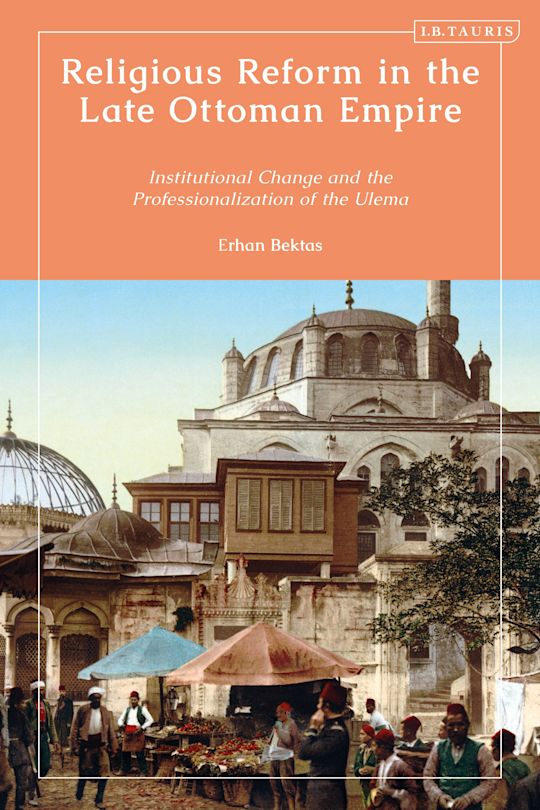
Religious Reform in the Late Ottoman Empire
Institutional Change and the Professionalisation of the Ulema

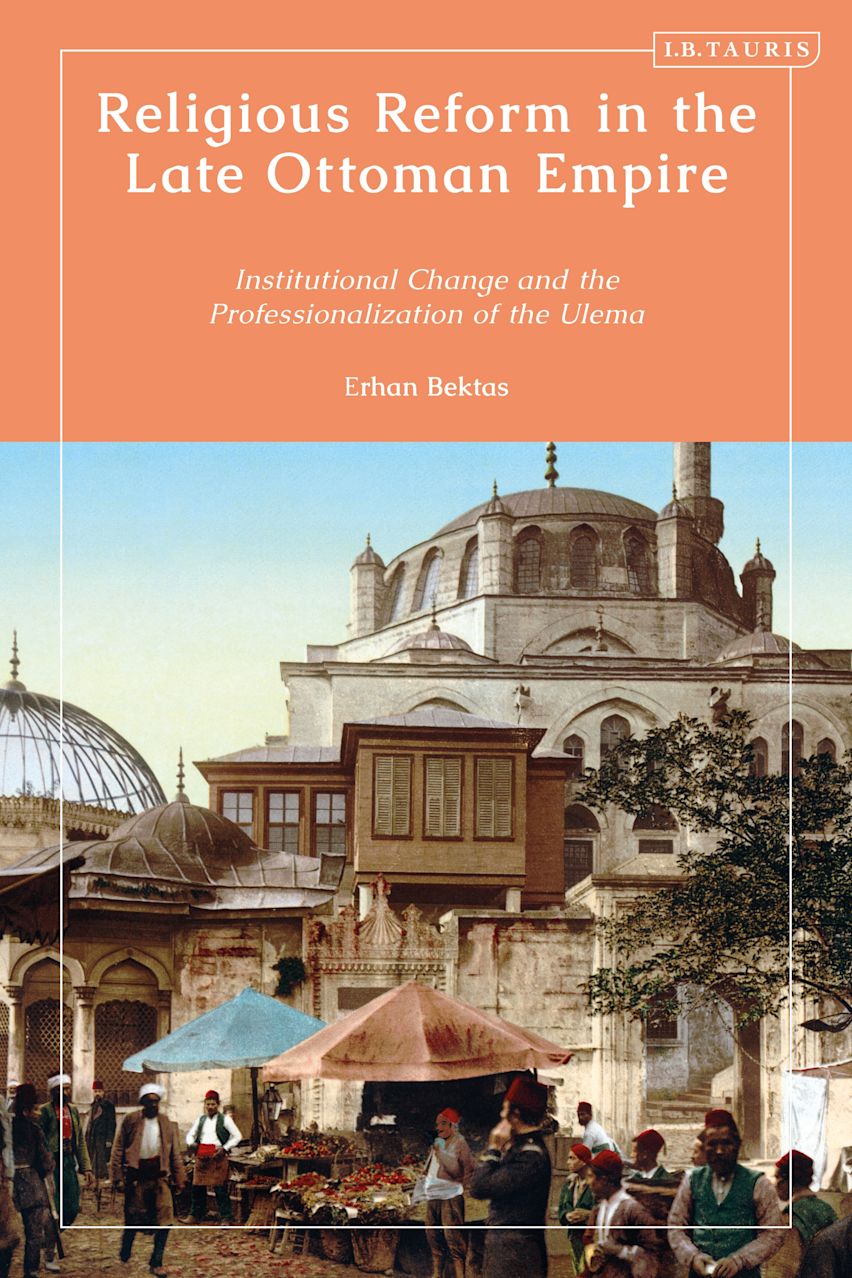
Religious Reform in the Late Ottoman Empire
Institutional Change and the Professionalisation of the Ulema
Description
The influence of the ulema, the official Sunni Muslim religious scholars of the Ottoman Empire, is commonly understood to have waned in the empire's last century. Drawing upon Ottoman state archives and the institutional archives of the ulema, this study challenges this narrative, showing that the ulema underwent a process of professionalisation as part of the wider Tanzimat reforms and thereby continued to play an important role in Ottoman society. First outlining transformations in the office of the Sheikh ul-islam, the leading Ottoman Sunni Muslim cleric, the book goes on to use the archives to present a detailed portrait of the lives of individual ulema, charting their education and professional and social lives. It also includes a glossary of Turkish-Arabic vocabulary for increased clarity. Contrary to beliefs about their decline, the book shows they played a central role in the empire's efforts to centralise the state by acting as intermediaries between the government and social groups, particularly on the empire's peripheries.
Table of Contents
2. The Re-Organazation of the Seyhulislam Office (1826-1914)
3. The Ulema's Educational Career (1839-1922)
4. The Ulema's Proessional Career (1880-1920)
5. A Social Profile Of the Ulema: A Prosopographical Study (1880-1920)
6. The Ulema In The Context Of Everyday Social Life
7. Conclusion
Product details
| Published | Nov 17 2022 |
|---|---|
| Format | Ebook (PDF) |
| Edition | 1st |
| Extent | 232 |
| ISBN | 9780755645480 |
| Imprint | I.B. Tauris |
| Publisher | Bloomsbury Publishing |

Reviews

ONLINE RESOURCES
Bloomsbury Collections
This book is available on Bloomsbury Collections where your library has access.
Related Titles