Thinking through Poems
Composition, Emotion and Decision-Making in Romantic-Era Women’s Novels
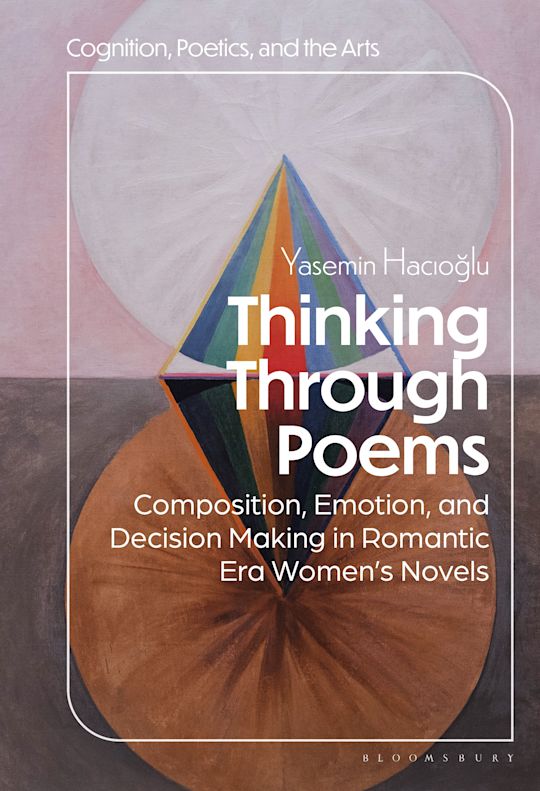

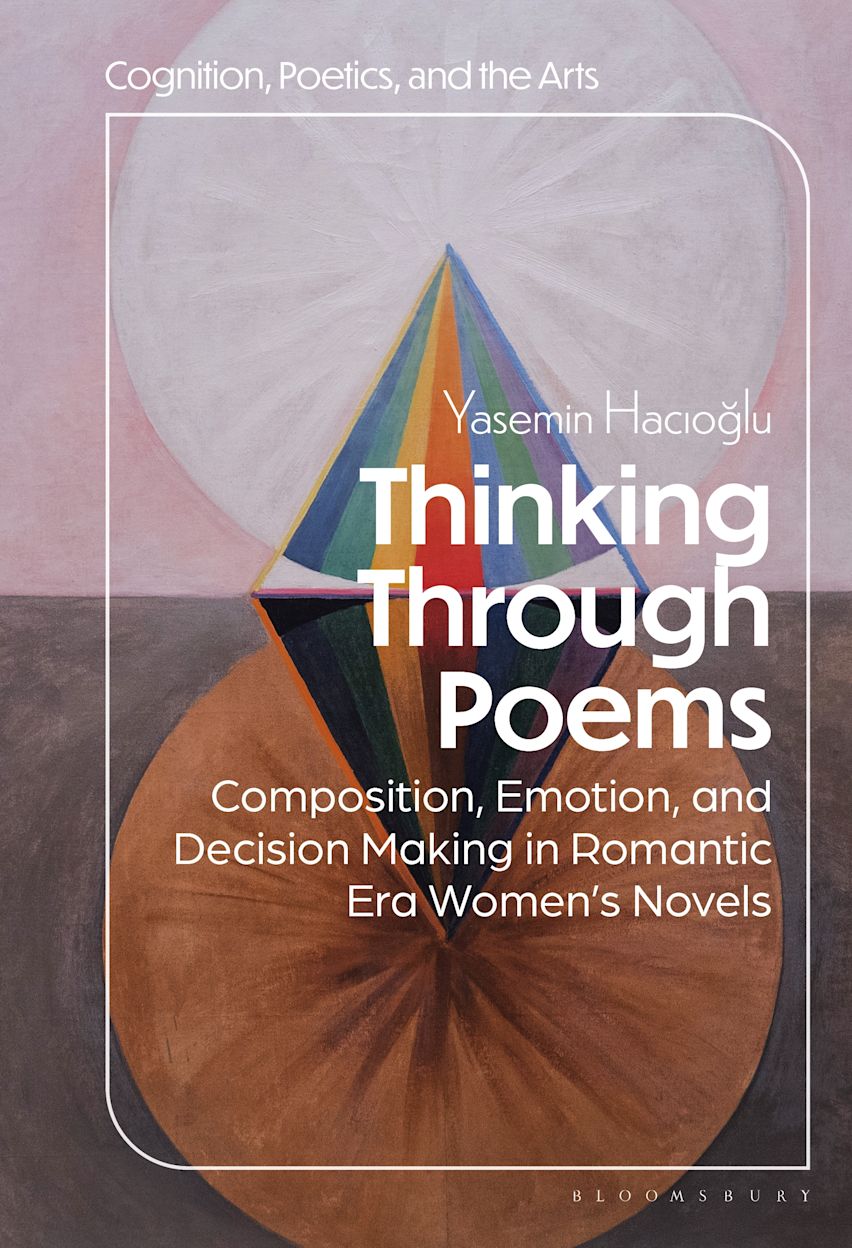
Thinking through Poems
Composition, Emotion and Decision-Making in Romantic-Era Women’s Novels
Payment for this pre-order will be taken when the item becomes available
Description
A new cognitive approach to the representation of composition in literature that examines five women novelists of the late 18th century and how they use imaginative poetic practices to attain emotional, practical and political agency.
During a backlash towards feminism in British politics at the turn of the 19th century, popular women's novels became saturated with heroines in dangerous situations who turn to composing original poetry. Thinking through Poems shows how these poems indicate practices of composition that model imaginative decision-making. It reveals how these novels provide readers with cognitive tools to re-think how situations might unfold and to realize how patriarchal threats and cultural narratives can be methodically altered.
Using both contemporary cognitive philosophy and historical approaches, Yasemin Nurcan Hacioglu uncovers how fictional heroines manipulate the narrative as they craft thoughts and responses not yet socially scripted. Re-considered as "works in progress," poems in Ann Radcliffe's and Charlotte Smith's influential novels are examined as a space in which heroines re-draft experiences into narratives that justify their choices. Hacioglu then investigates how the neglected novels of Eleanor Sleath, Charlotte Dacre and Amelia Opie added new arguments, through compositional practices, to the rich philosophical debate on how agency can be constructed.
Thinking through Poems provides new readings of women's novels that are often read as conservative. It argues that these novels contributed to feminist politics not through defining values, but by providing frameworks for weaponizing fictional affects to challenge both practical and ideological obstacles during a changing climate in gender politics.
Table of Contents
Acknowledgements
Note on text
1. Making agency: Carving out new decisions and plots using poetry
1.1. Materials: Re-collaging (social) bodies
1.2. Emotions: New frameworks for feeling
1.3. Narratives: Reorganizing the rules of the gothic labyrinth
2. Ann Radcliffe: Instructing the imagination
2.1. Composition method
2.2. Constructing motivations
2.3. Agency: Redrafting the 'work in progress'
3. Charlotte Smith: Rescaffolding the social self
3.1. Soft gothic selves
3.2. Redistributing vampiric minds
3.3. Fragile masculinities: Disrupting social inheritances
4. Eleanor Sleath and Charlotte Dacre: Enacting new embodiments
4.1. Fresh bodies and self-perceptions
4.2. Transforming social dynamics
5. Amelia Opie: Plotting emotion
5.1. Using Romantic emotions
5.2. Composing emotional realizations
5.3. Disordering moral ends
6. Coda: Disarming smiles
Notes
Bibliography
Index
Product details

| Published | Jul 09 2026 |
|---|---|
| Format | Ebook (PDF) |
| Edition | 1st |
| Pages | 240 |
| ISBN | 9798765112144 |
| Imprint | Bloomsbury Academic |
| Illustrations | 4 bw illus |
| Series | Cognition, Poetics, and the Arts |
| Publisher | Bloomsbury Publishing |
Related Titles