
Description
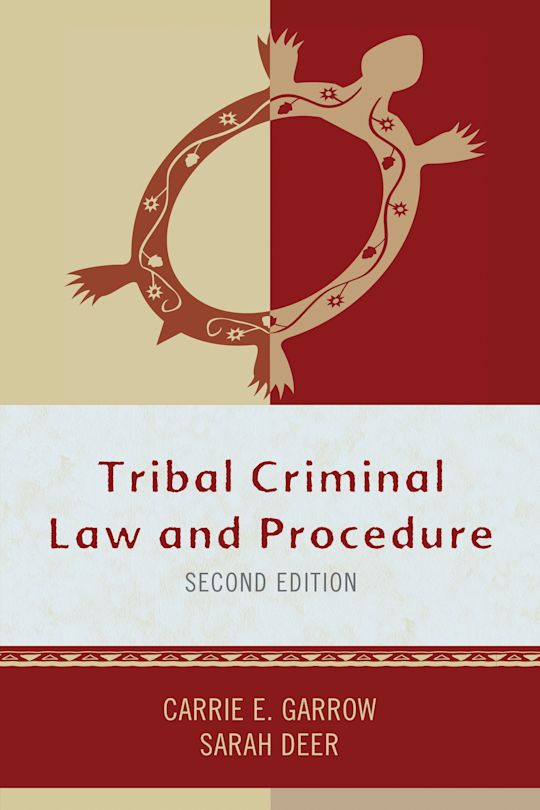
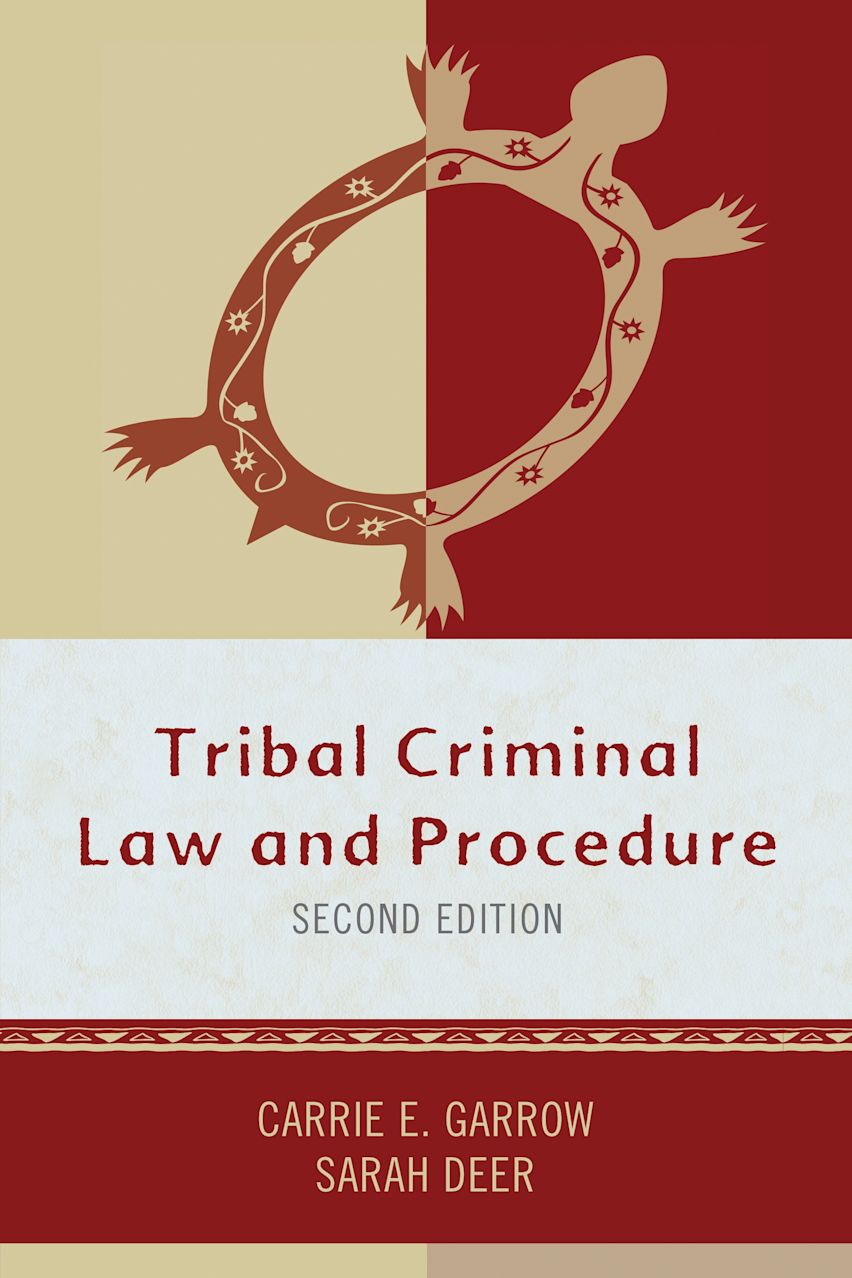
Tribal Criminal Law and Procedure examines complex Indian nations’ tribal justice systems, analyzing tribal statutory law, tribal case law, and the cultural values of Native peoples. Using tribal court opinions and tribal codes, it reveals how tribal governments use a combination of oral and written law to dispense justice and strengthen their nations and people. Carrie E. Garrow and Sarah Deer discuss the histories, structures, and practices of tribal justice systems, comparisons of traditional tribal justice with American law and jurisdictions, elements of criminal law and procedure, and alternative sentencing and traditional sanctions.
New features of the second edition include new chapters on:
· The Tribal Law and Order Act's Enhanced Sentencing Provisions
· The Violence Against Women Act's Special Domestic Violence Criminal Jurisdiction
· Tribal-State Collaboration
Tribal Criminal Law and Procedure is an invaluable resource for legal scholars and students. The book is published in cooperation with the Tribal Law and Policy Institute (visit them at www.tlpi.org).
Table of Contents
Notes on Law
1: Introduction to American Criminal Law Concepts
2: Comparing Tribal Criminal Law and American Criminal Law
3: Using American Criminal Law to Control American Indian Nations
4: Traditional Law Today
5: Introduction–What Is Criminal Jurisdiction?
6: Traditional Criminal Jurisdiction
7: Limitations on Tribal Criminal Jurisdiction Imposed by the United States
8: Exercising Jurisdiction over Crimes Committed by Non-Indians
9: Criminal Jurisdiction as Defined by Tribal Courts
10: Federal Legislative Efforts to Support Tribal Criminal Jurisdiction
11: State and Tribal Court Collaboration
12: Overview of Criminal Laws—Statutes and Procedures
13: The Mental State
14: A Closer Look at Criminal Elements
15: Is Helping a Criminal Act? Preliminary Crimes and Accomplice Liability
16: Criminal Defenses
17: The Burden of Proof
18: Rights of Criminal Defendants and Crime Victims
19: The Law of Arrest
20: Interrogations and Confessions: The Right to Remain Silent
21: Search and Seizure
22: The Exclusionary Rule: Remedies for Civil Rights Violations
23: The Right to an Attorney/Advocate
24: Defendant Rights at Trial
25: Victims’ Rights
26: Sentencing: Fines and Incarceration
27: Tribal Restorative Justice
Glossary
Index
About the Authors
Product details
| Published | May 06 2015 |
|---|---|
| Format | Ebook (Epub & Mobi) |
| Edition | 2nd |
| Pages | 536 |
| ISBN | 9781442232303 |
| Imprint | Rowman & Littlefield |
| Illustrations | 5 b/w illustrations; 7 tables |
| Series | Tribal Legal Studies |
| Publisher | Bloomsbury Publishing |
Reviews
Related Titles