Studies in Groovy Gothic Cinema
Trash, Horror, and the Hemispheric Sixties
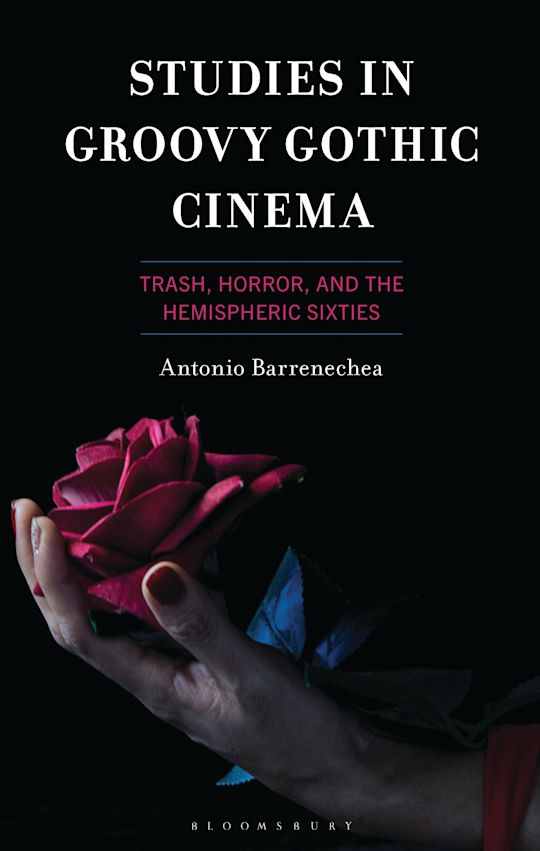

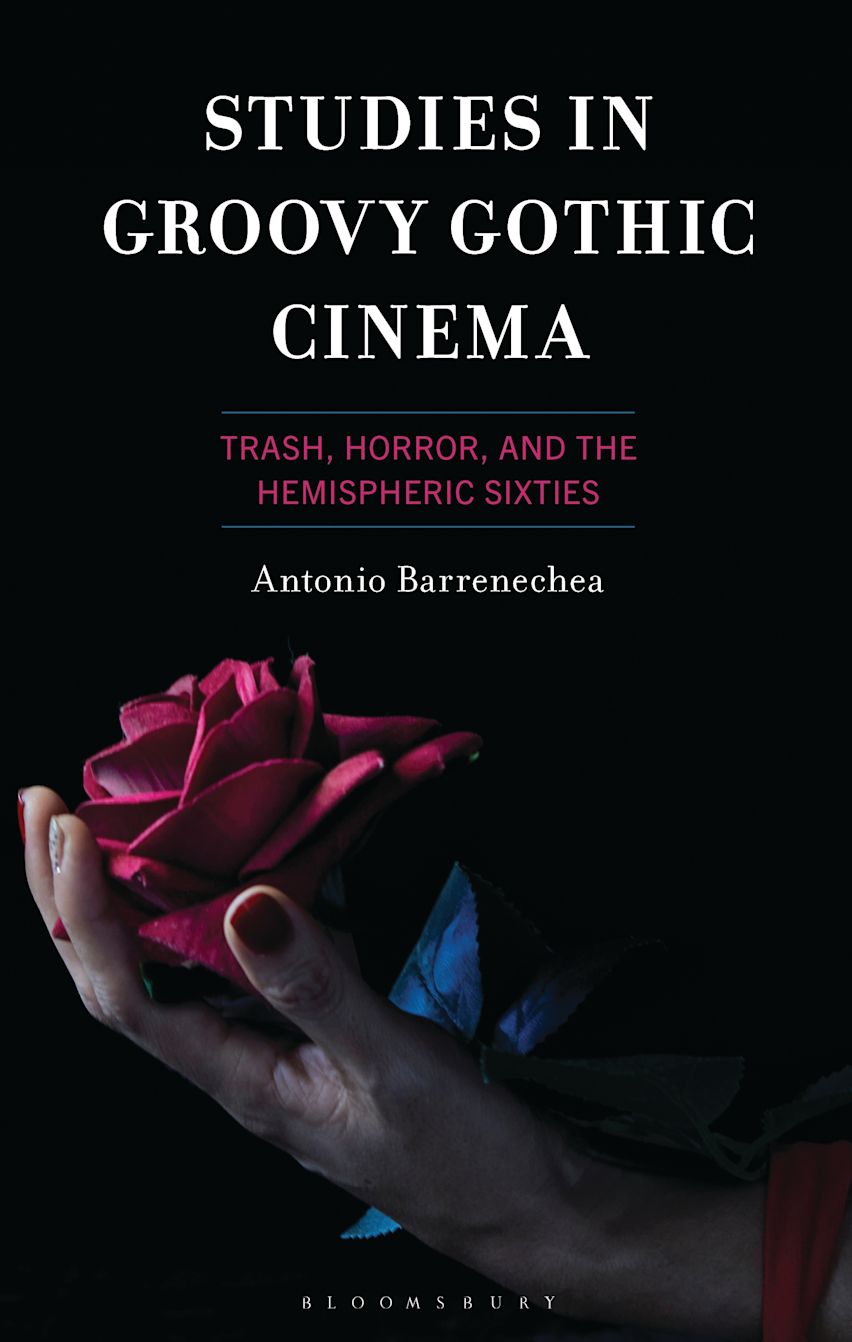
Studies in Groovy Gothic Cinema
Trash, Horror, and the Hemispheric Sixties
Description
In Studies in Groovy Gothic Cinema, Antonio Barrenechea launches an inquiry into inter-American exploitation cinema-a horror cinema which captured the rise of '60s counterculture and youth-oriented lifestyles-as it harnessed the cultural zeitgeist through gratuitous depictions of sex, blood, and music.
Despite the genre's cultural impact, Barrenechea argues, its association with vulgar taste, shoestring budgets, and cheap thrills makes it often overlooked in existing cinema history and scholarship. This book places film studies and comparative American studies into a new conversation involving exploitation cinema, targeting an American hemispheric tradition and considering how art and trash intersect in undisciplined ways.
Barrenechea examines low-budget cinema produced in filmmaking capitals of the Western Hemisphere, including Mexican monster films, Brazilian psychedelia, Argentine sci-fi, Canadian splatter, and Hollywood grindhouse, ultimately yielding a new cinema history that is both messier and more inclusive.
Table of Contents
Introduction: From Universal to Hemispheric Monsters
1. U.S.-Mexican Bloodlines
2. Fear and Loathing in São Paulo
3. Youth Flesh Trafficking
4. They Came from Quebec
Conclusion: The Grindhouse Archives
Bibliography
About the Author
Index
Product details

| Published | 08 Jan 2026 |
|---|---|
| Format | Ebook (PDF) |
| Edition | 1st |
| Extent | 240 |
| ISBN | 9798216258421 |
| Imprint | Bloomsbury Academic |
| Illustrations | 13 bw illus |
| Publisher | Bloomsbury Publishing |

Reviews
Related Titles